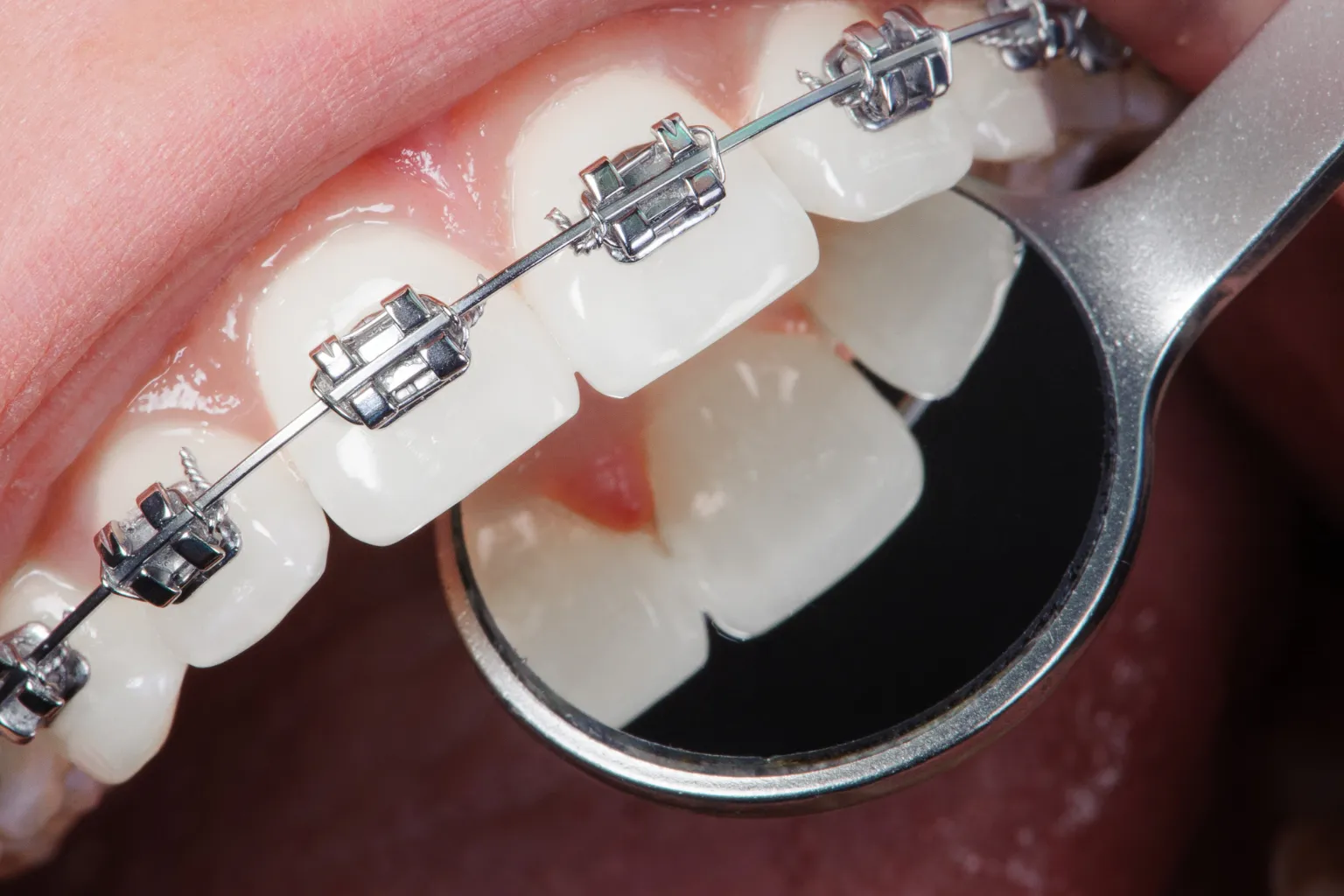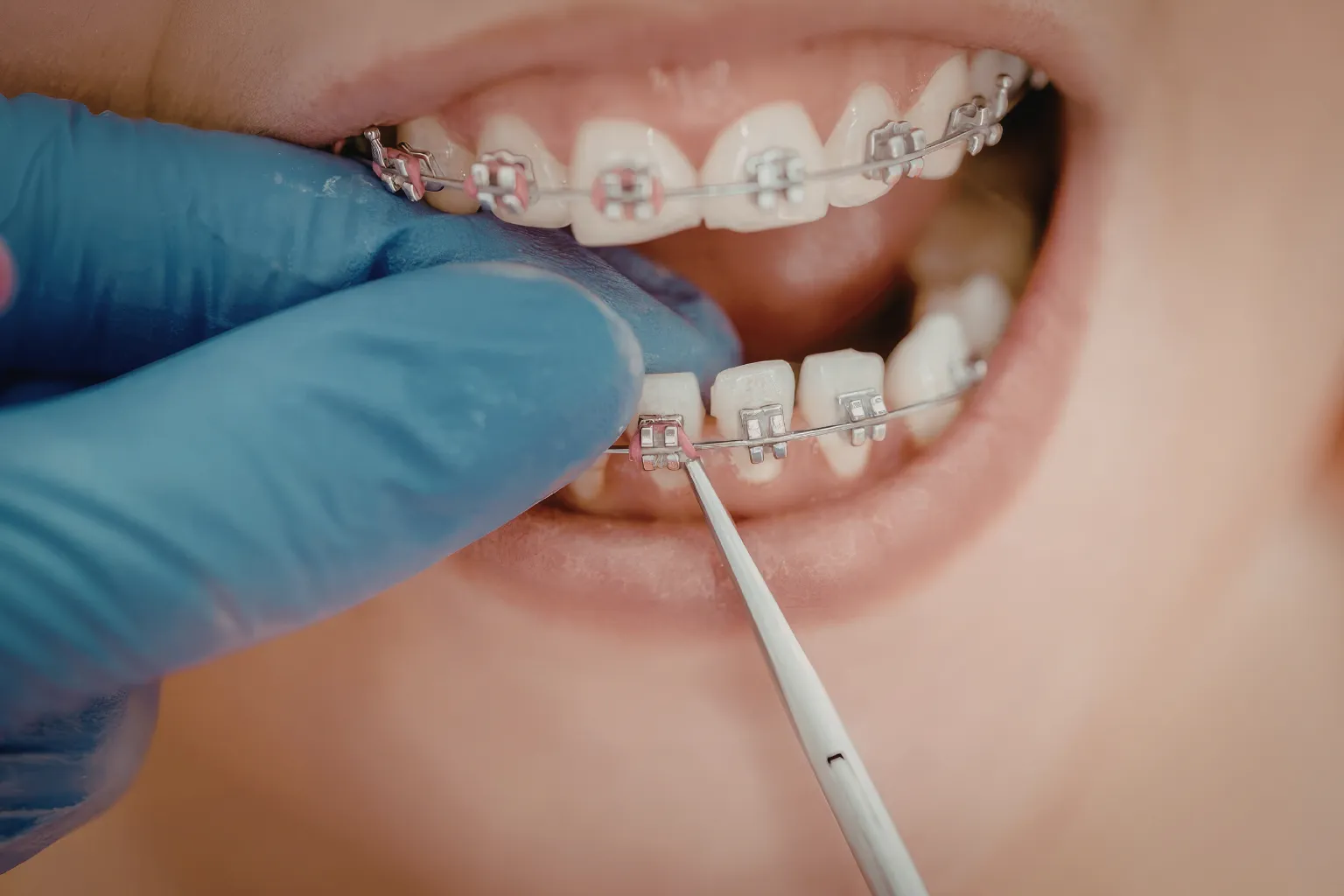
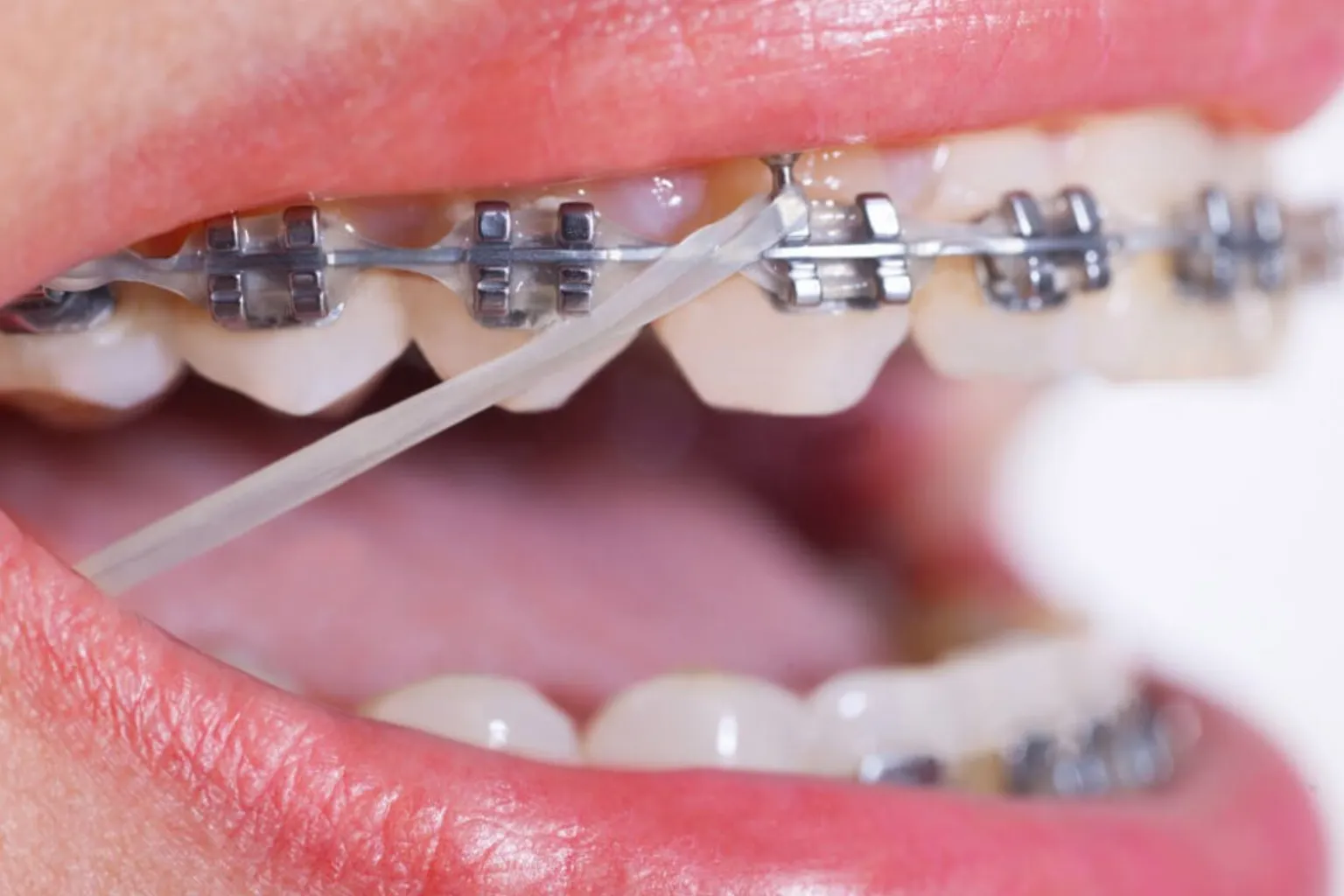
The main factors that affect braces treatment time are the complexity of the bite, the amount of tooth movement required, age and growth, oral health, appointment attendance, broken appliances and patient cooperation. Your orthodontist can estimate a timeline only after examining your teeth, jaws and bite.
At Heinrichs Orthodontics, Dr. Dean Heinrichs creates an individual plan for every patient. Two people who appear to have similar crowding may need different movements and different treatment times.
How long does braces treatment usually take?
Many comprehensive braces cases take around 18 to 24 months. Some simpler cases take less time. Complex bite or jaw problems may take longer.
This range should not be treated as a promise. Treatment time depends on:
- The starting position of the teeth.
- The type of bite problem.
- The distance teeth must move.
- Whether growth is involved.
- Whether additional appliances are needed.
- How the teeth respond.
- How well the treatment instructions are followed.
The American Association of Orthodontists explains that successful braces treatment requires pressure, time and cooperation. Read the AAO braces overview.
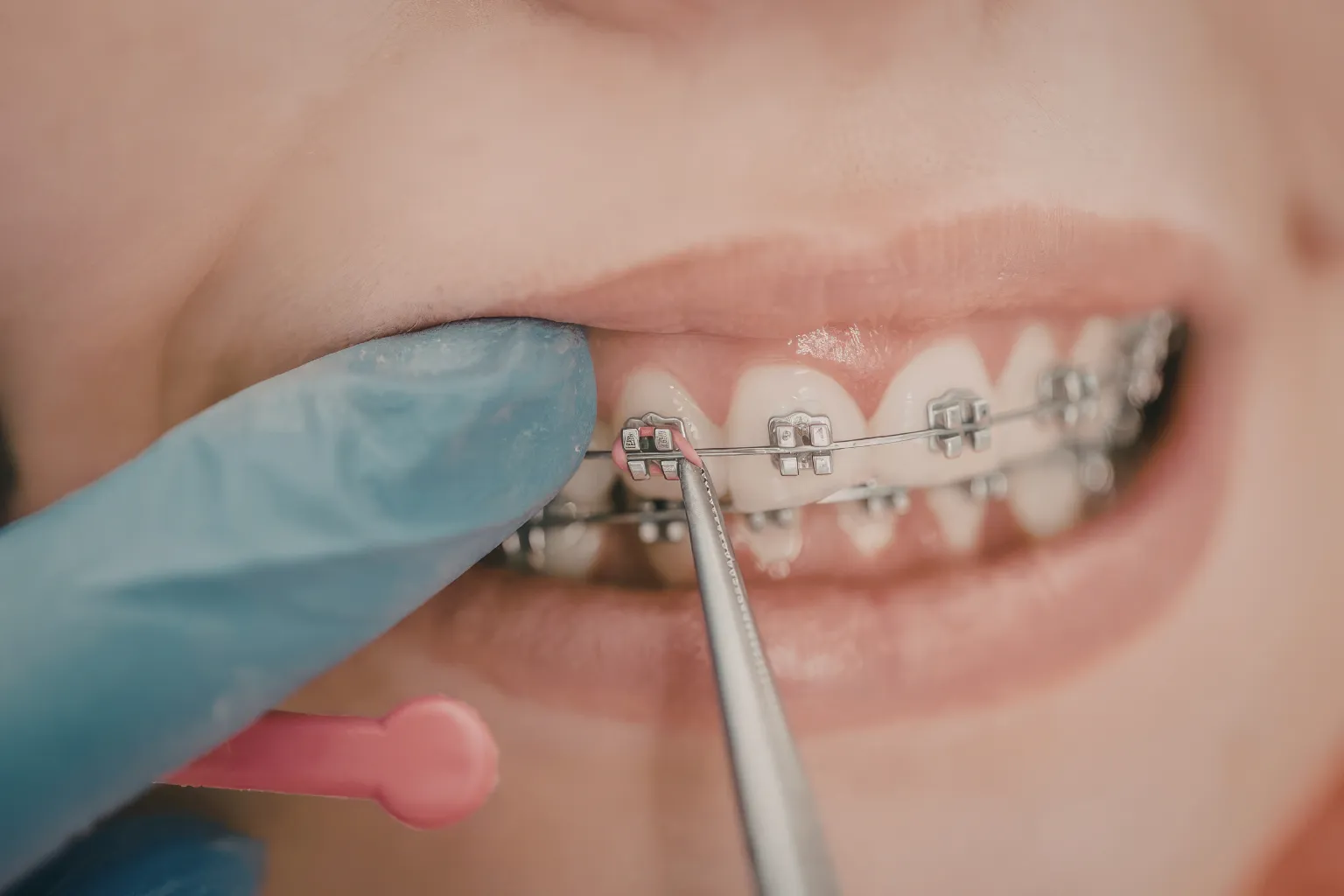
1. Complexity of the alignment or bite problem
Minor spacing is different from a problem involving crowding, tooth rotation and bite correction.
A more complex plan may need several stages:
- Creating or managing space.
- Aligning individual teeth.
- Correcting rotations.
- Improving the bite.
- Refining tooth positions.
- Checking stability before braces are removed.
Patients may see straighter front teeth before the bite is fully corrected. This does not mean treatment is finished.
The orthodontist must consider function, root position and the relationship between the upper and lower teeth. Removing braces too early may leave important parts of the plan incomplete.
Learn how brackets and wires create movement in How Do Braces Move Teeth?.
2. The amount and type of tooth movement
Not all tooth movements take the same amount of time.
A tooth may need to:
- Tip into a better position.
- Rotate.
- Move through available space.
- Shift with its root.
- Move upward or downward.
- Coordinate with teeth in the opposite arch.
Moving the visible crown is only part of orthodontic treatment. The root also needs a stable and healthy position.
Some movements require extra control from elastics, springs or other components. Dr. Heinrichs plans the sequence so that each stage supports the next.
3. Age and jaw growth
Healthy teeth can be moved at many ages. However, age and growth can affect the plan.
For children and teenagers, the orthodontist may use remaining growth when addressing some bite problems. Adult jaws have finished most growth, so certain problems may require a different approach.
Age alone does not determine treatment speed. Oral health, bone response, bite complexity and cooperation may be just as important.
Adults interested in treatment can learn more about getting braces as an adult.
4. Oral health before and during treatment
Healthy teeth and gums provide a better foundation for orthodontic care.
Plaque can collect around brackets and near the gumline. If oral health becomes a concern, active movement may need to be modified or paused while the problem is addressed.
Patients should:
- Brush carefully around brackets and wires.
- Use fluoride toothpaste.
- Clean between the teeth every day.
- Follow any special cleaning instructions.
- Continue regular dental checkups and cleanings.
- Report bleeding, swelling or other concerns.
The American Dental Association recommends brushing twice daily with fluoride toothpaste and cleaning between teeth daily. Read the ADA brushing recommendations.
Our guide to cleaning and caring for braces provides more practical advice.
5. Missed orthodontic appointments
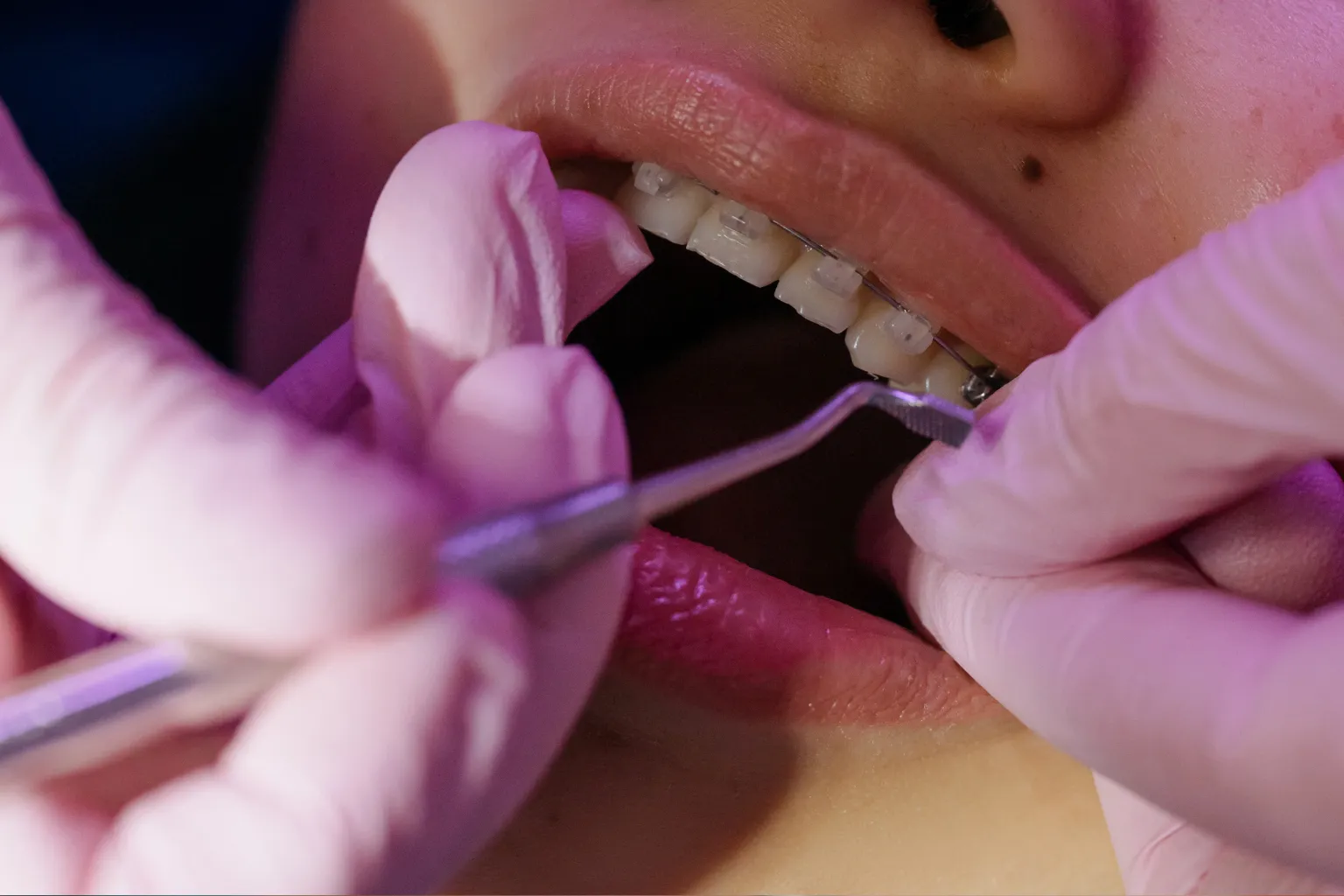
Progress appointments allow the orthodontist to:
- Check tooth movement.
- Adjust wires.
- Review elastic wear.
- Replace worn components.
- Identify broken appliances.
- Monitor oral health.
- Plan the next stage.
Missing one appointment does not always cause a major delay. However, repeated missed visits can leave treatment without the planned adjustments or monitoring.
If you cannot attend, contact the office as soon as possible to reschedule.
6. Broken brackets and wires
A broken bracket cannot guide its tooth as intended. A bent or loose wire may also stop delivering the planned force.
The AAO notes that damaged or missing brackets can affect treatment time and should be reported to the orthodontist. Review the AAO broken-bracket guidance.
Braces are more likely to be damaged by:
- Hard candy.
- Ice.
- Popcorn kernels.
- Sticky candy.
- Very crunchy foods.
- Biting pens or fingernails.
- Contact sports without suitable protection.
Do not wait automatically until the next appointment. Call the office and explain what happened. The team will decide whether an earlier repair is necessary.
7. Wearing elastics as directed
Orthodontic elastics may be prescribed to improve how the upper and lower teeth meet.
They work only while they are being worn. Inconsistent use can slow bite correction even when the teeth appear straighter.
Follow the prescribed:
- Placement.
- Wear time.
- Replacement schedule.
- Elastic size and strength.
Do not double the number of elastics to make up for missed time. Extra force is not a safe way to speed up treatment.
8. Individual biological response
Teeth do not move at exactly the same speed in every person.
The tissues around each tooth need time to respond to controlled pressure. This biological process cannot be predicted perfectly from appearance alone.
The orthodontist monitors progress and may adjust the plan when:
- A tooth moves more slowly than expected.
- Space closes at a different rate.
- The bite responds differently.
- A root needs greater control.
- An appliance needs modification.
These adjustments are part of personalized care.
Can braces treatment be accelerated safely?
Patients may see products or techniques claiming to produce extremely fast orthodontic treatment. Such claims should be approached carefully.
Safe tooth movement requires controlled force and biological response. More pressure does not automatically create faster or better movement. It may instead cause excessive discomfort or unwanted effects.
The best way to support an efficient timeline is to:
- Attend appointments.
- Keep braces clean.
- Avoid damaging foods and habits.
- Wear elastics as directed.
- Report appliance problems.
- Follow the treatment plan.
- Keep regular dental appointments.
Patients preparing for treatment can review what to expect when getting braces.
How is a personal treatment timeline calculated?
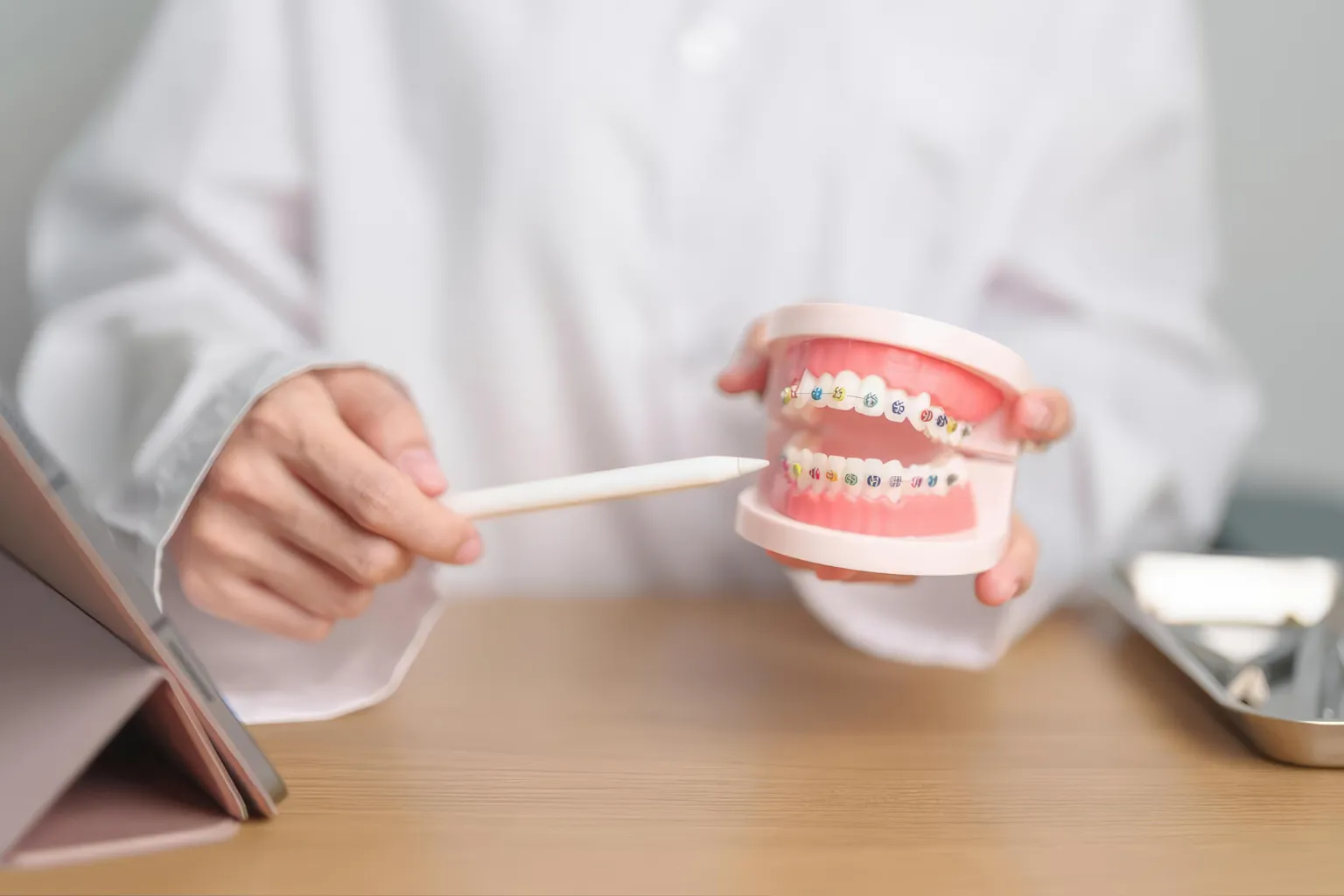
Dr. Heinrichs considers:
- Examination findings.
- Digital records.
- X-rays and photographs.
- Tooth and root positions.
- Bite relationships.
- Growth and development.
- Oral health.
- Treatment goals.
- Appliance choice.
- Anticipated patient cooperation.
The estimated timeline may be updated as treatment progresses. An estimate is a planning tool, not a guaranteed completion date.
Explore available metal braces in Saskatoon and less noticeable clear ceramic braces.
Lock In Your Free Braces Consultation
Frequently asked questions
Do broken brackets delay braces treatment?
They can. A detached bracket cannot guide its tooth correctly. Contact the office so the team can decide when it should be repaired.
Can missing an adjustment make treatment longer?
Occasional rescheduling may be manageable. Repeated missed visits can interrupt planned adjustments and monitoring.
Do braces work faster for children?
Not automatically. Growth may help with some bite corrections, but complexity, oral health and cooperation also affect the timeline.
Can braces be removed before treatment is complete?
Braces can physically be removed, but early removal may leave tooth or bite corrections unfinished. Discuss concerns with your orthodontist.
Do elastics affect treatment time?
Yes. When prescribed, consistent elastic wear helps produce specific bite movements. Poor wear can delay that stage.
Why do two people have different braces timelines?
Their tooth positions, roots, bite, growth, oral health and treatment goals may be different even when their smiles look similar.