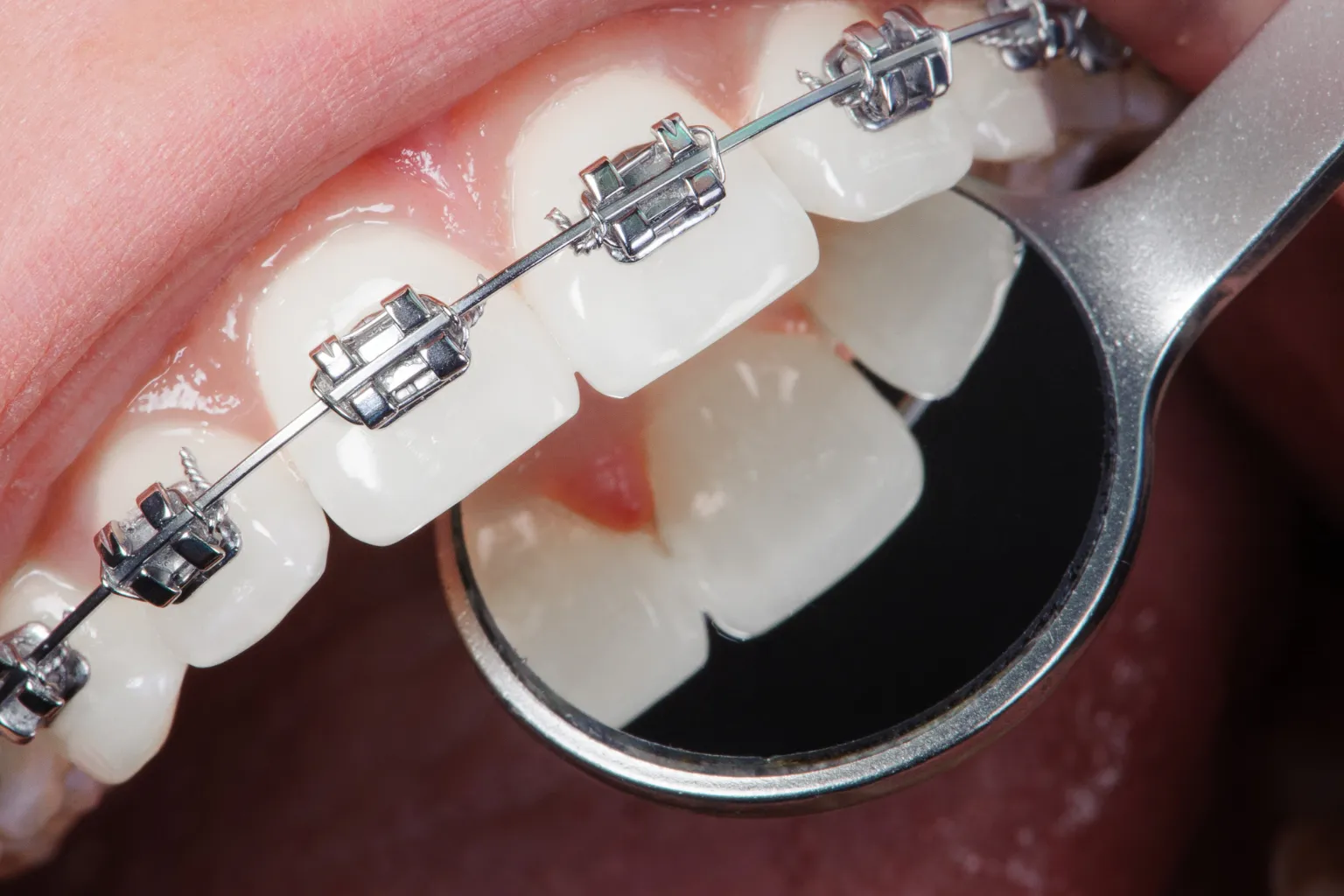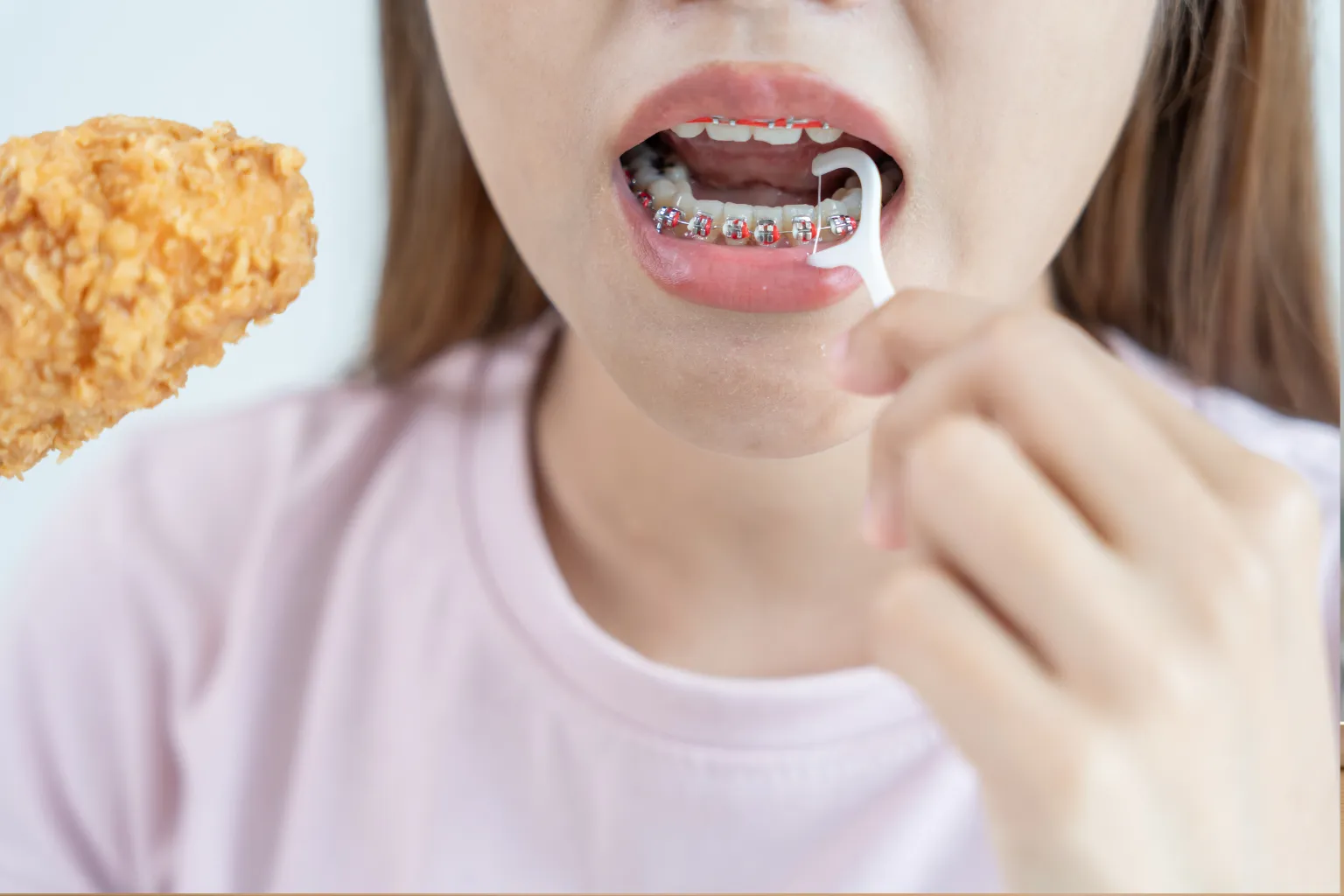
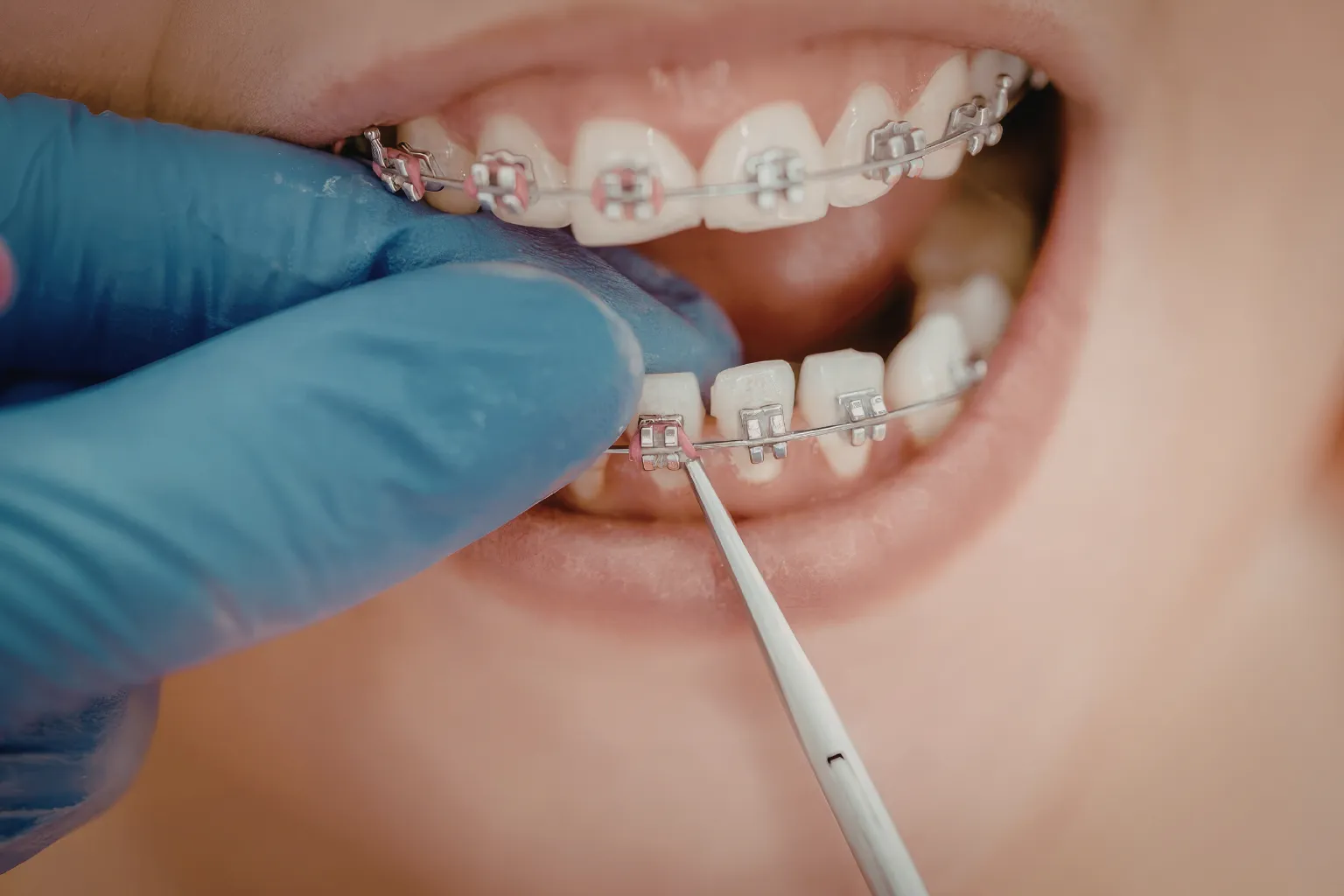
If you have a broken bracket or poking wire, contact your orthodontist and explain what happened. Do not pull, bend, or cut any part unless your orthodontic team tells you to. Orthodontic wax may provide temporary comfort. Avoid hard and sticky foods until you receive instructions.
Most loose brackets and poking wires are not medical emergencies. However, they can interrupt treatment or irritate your mouth. That is why the problem should not be ignored.
If you are a patient of Heinrichs Orthodontics, call the office at 306-384-9200 or use the contact page to explain the problem.
Is a Broken Bracket an Orthodontic Emergency?
A broken bracket is usually an urgent orthodontic problem rather than a life-threatening emergency. It needs attention, but it may not require immediate medical treatment.
The American Association of Orthodontists’ emergency guidance separates appliance problems from true medical or dental emergencies.
Common orthodontic problems include:
- A bracket that has come loose from a tooth
- A wire that is rubbing the cheek
- A wire that has slipped out of place
- A loose band
- A damaged removable appliance
- A lost or cracked aligner
True emergencies may involve major trauma, heavy bleeding, severe swelling, or trouble breathing or swallowing. These situations require immediate medical or emergency dental care.
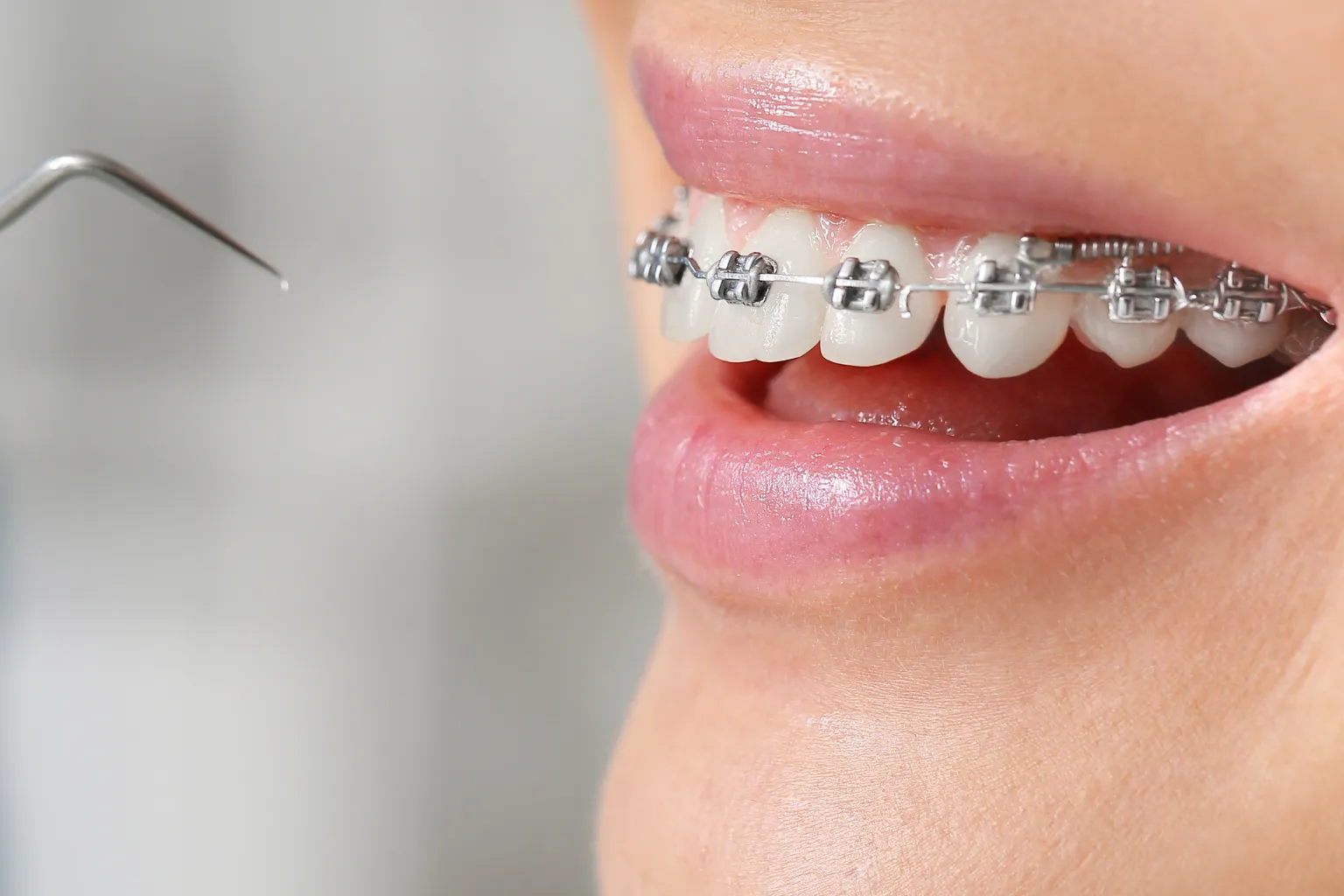
What to Do With a Broken Bracket
A bracket is the small piece attached to each tooth. The archwire passes through it and helps guide the tooth.
When a bracket separates from the tooth, it may still be connected to the wire. It might slide or turn when you touch it.
Follow these steps:
- Check the area without pulling anything. Look in a mirror and identify which bracket is loose.
- Do not remove the bracket yourself. Leave it in place unless your orthodontist provides different instructions.
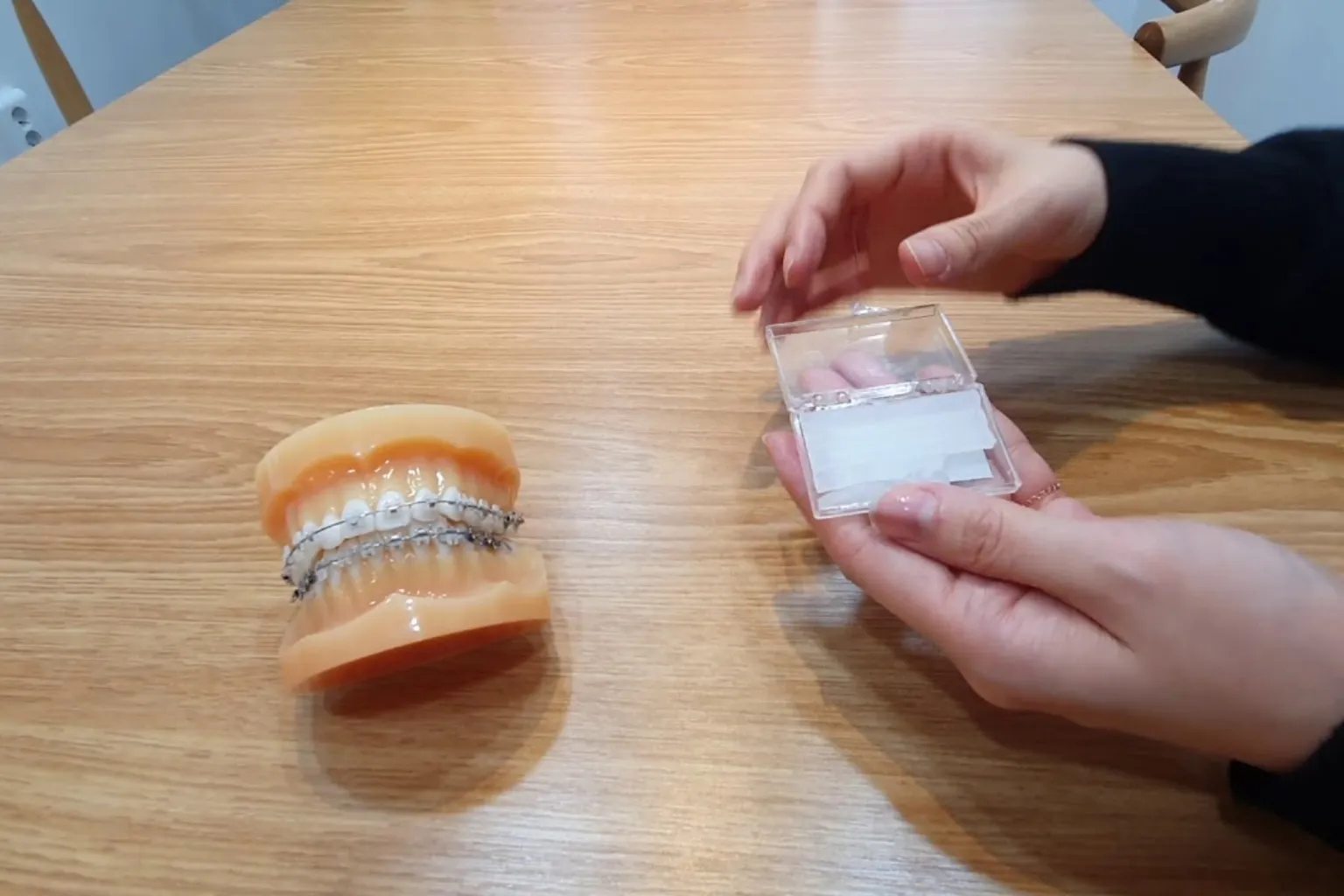
- Use orthodontic wax if it is rubbing. Dry the area and place a small amount of wax over the irritating part.
- Avoid hard and sticky foods. These foods may move the bracket or damage another part of the appliance.
- Contact your orthodontic office. Explain where the bracket is located and whether it is causing discomfort.
The team may arrange an earlier visit. In some cases, they may decide that the repair can wait until an already scheduled appointment. That decision depends on the bracket’s location and the current treatment stage.
A loose bracket does not always cause discomfort. However, the tooth may stop receiving the planned force. Delaying the repair could affect progress.
Patients considering fixed appliances can learn more about metal braces in Saskatoon and clear ceramic braces.
What Should You Do About a Poking Braces Wire?
A wire may begin to poke if it shifts or if teeth have moved enough to leave extra wire at the back of the braces. A bent wire can also rub the cheek or gum.
First, contact your orthodontist. Describe:
- Where the wire is poking
- How long it has been uncomfortable
- Whether the wire is bent or loose
- Whether a bracket is also damaged
- Whether the area is swollen or injured
While waiting for instructions, orthodontic wax may create a smooth cover over the wire. Drying the wire first can help the wax stay in place.
Do not cut or bend the wire unless the orthodontic office specifically instructs you to do so. A wire can be difficult to control once cut, and an incorrect change may affect treatment.
If irritation continues, call the office again. Wax is a short-term comfort measure. It does not repair the appliance.
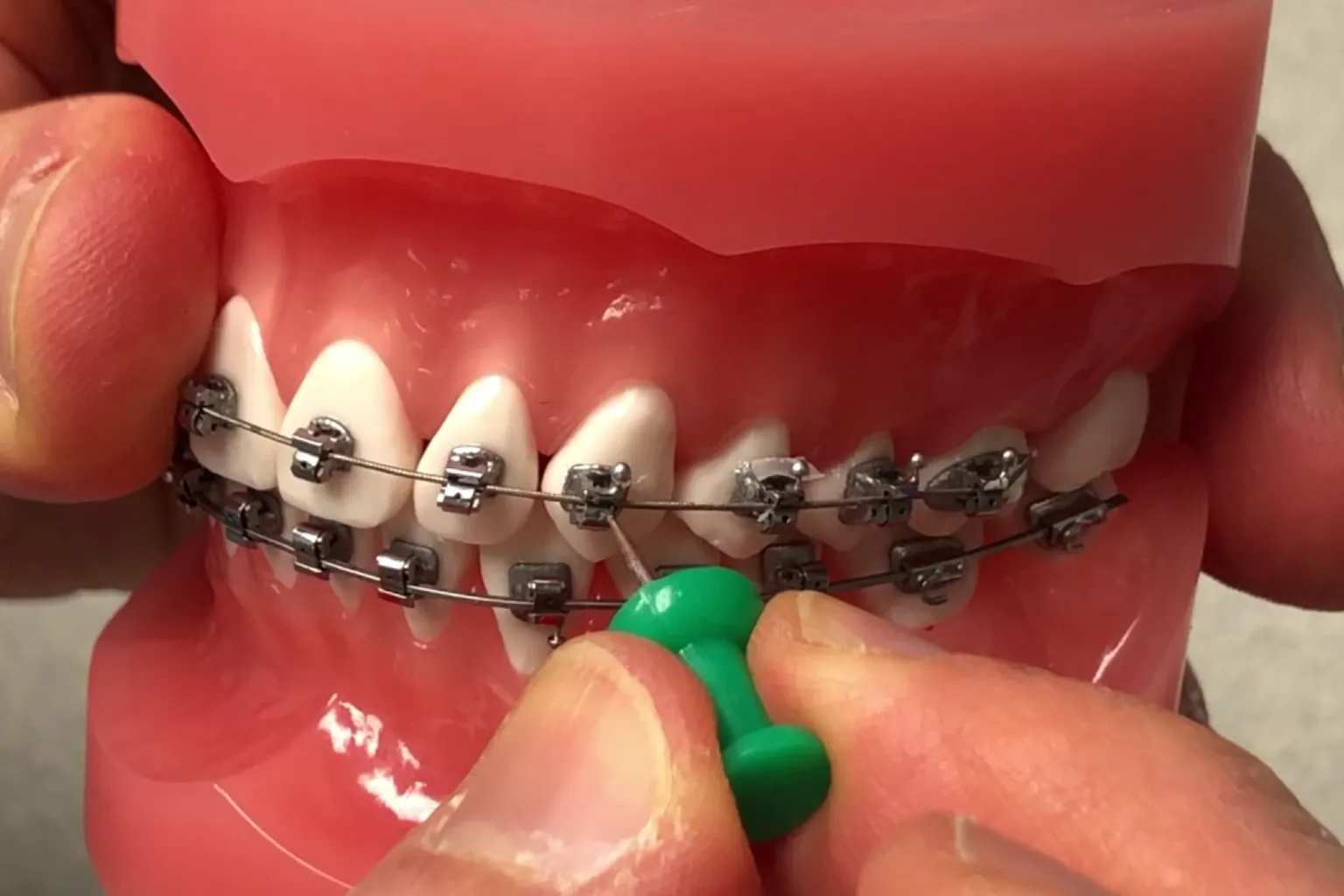
What If the Wire Comes Out of a Bracket?
Sometimes an archwire slips out of the last bracket or tube. It may then feel loose or sharp.
Do not force the wire back into place. Trying to move it without the right tools can bend it or damage another bracket.
Instead:
- Cover the sharp area with orthodontic wax when possible.
- Eat soft foods that do not require strong biting.
- Do not play with the wire using your tongue or fingers.
- Contact the orthodontic team for instructions.
When calling, mention whether the wire is fully detached, partly detached, or still held by other brackets.
What If a Band or Other Appliance Feels Loose?
Some orthodontic appliances use metal bands that fit around back teeth. A loose band may move when you chew or brush.
Do not continue chewing on that side if doing so makes the appliance move. Avoid trying to press or glue the band into place.
Orthodontic appliances are carefully fitted. Household glues are unsafe for the mouth and can interfere with proper repair.
Contact your orthodontist and ask what to do next. The office may need to examine the band and check the tooth underneath it.
What If You Lose or Damage an Aligner?
A missing or cracked aligner is different from a broken bracket, but it still requires professional instructions.
Do not automatically move to the next aligner or return to an older one. The correct response depends on:
- How long you wore the current aligner
- Whether the next aligner fits
- How much the teeth have moved
- Where you are in the treatment plan
Contact the orthodontic office. They may tell you to wear a particular aligner, arrange a replacement, or schedule a progress check.
If you use removable trays, the practice’s guide to what to expect during clear-aligner treatment provides additional information.
When Should You Seek Immediate Medical or Dental Care?
Get immediate help after a major injury or when symptoms affect breathing, swallowing, or your general health.
Seek urgent medical or emergency dental care for:
- Trouble breathing or swallowing
- Heavy or uncontrolled bleeding
- A serious injury to the face, teeth, or jaw
- A tooth that has been knocked out or badly displaced
- Rapidly increasing swelling
- Signs that an appliance part may have entered the airway
Call 911 if breathing is affected.
If a bracket or small appliance part may have been swallowed but the person is breathing normally, contact the orthodontic office for guidance. If there is coughing, choking, chest discomfort, or difficulty breathing, seek emergency medical care.
Will a Broken Bracket Delay Treatment?
One loose bracket does not automatically cause a major delay. Prompt communication helps the orthodontist decide whether a repair is needed.
Delays are more likely when:
- Several brackets are damaged
- The same bracket breaks repeatedly
- An appliance remains broken for a long time
- Teeth are not receiving the intended force
- Scheduled visits are missed
Following food and care instructions can help protect the appliance. Review how to clean and care for braces for a simple daily routine.
How Can You Reduce the Risk of Broken Braces?
Brackets and wires are designed to guide teeth, but they are not meant to handle every type of force.
To reduce problems:
- Cut firm foods into smaller pieces.
- Avoid hard candy, popcorn kernels, ice, and other very hard foods.
- Avoid sticky foods that pull on brackets.
- Do not chew pens, pencils, or fingernails.
- Wear an orthodontic mouthguard for contact sports.
- Brush carefully around brackets and wires.
- Attend scheduled progress appointments.
Students can also use the practice’s braces-at-school guide to prepare a small care kit.
Useful items may include orthodontic wax, a toothbrush, toothpaste, an interdental brush, and the office’s phone number.
What Information Should You Give the Orthodontic Office?
Clear information helps the team provide useful instructions.
Be ready to explain:
- Which tooth or area is affected
- Whether the bracket is still attached to the wire
- Whether the wire is poking, bent, or completely loose
- When the problem started
- Whether there was an injury
- How much discomfort you have
- Whether you can eat, speak, breathe, and swallow normally
A clear photo may also help if the office asks for one. The team can then decide whether you should be seen promptly or follow temporary instructions until your next visit.
Get Help With a Braces Problem in Saskatoon
A loose bracket or poking wire should not be ignored. Early advice can improve comfort and help keep treatment moving.
The team at Heinrichs Orthodontics can assess the problem and explain the safest next step.
Get Fast Help with Your Appliance
For general information about appointments and services, visit the Saskatoon orthodontic office page.
Frequently Asked Questions
Can I wait until my next appointment with a broken bracket?
Sometimes, but the orthodontist should make that decision. Contact the office and explain which bracket is loose. Its location and role in treatment affect how soon it should be repaired.
Can I use orthodontic wax on a loose bracket?
Wax can temporarily cover an irritating bracket. It does not reattach the bracket. Contact your orthodontist even if the wax improves comfort.
Should I cut a poking wire myself?
Do not cut or bend a wire unless your orthodontic team gives specific instructions. Contact the office first so the team can understand the problem and recommend a safe response.
What if the wire is scratching my cheek?
Place orthodontic wax over the irritating area when possible and contact the office. Continuing irritation may require an appliance adjustment.
Will one broken bracket delay treatment?
Not necessarily. A delay is more likely when the problem remains unrepaired or happens repeatedly. Promptly informing your orthodontist helps protect your progress.
What happens if I swallow a bracket?
If you are breathing normally, contact your orthodontist for guidance. If you have choking, coughing, chest discomfort, or trouble breathing, seek emergency medical care immediately.
Who should I call after office hours?
Follow the after-hours instructions provided by your orthodontic practice. The Heinrichs Orthodontics website lists the office number as 306-384-9200. Call 911 for breathing problems or another medical emergency.