Getting braces at school during the school year can feel like a big adjustment. Students may wonder what they can eat at lunch, how to handle soreness, what to do if a bracket feels loose, or whether braces will affect sports, photos, band, presentations, or confidence around friends.
The good news is that most students adjust faster than they expect. With a simple school routine, a few supplies, and a little planning, braces can fit into normal school life without becoming stressful.
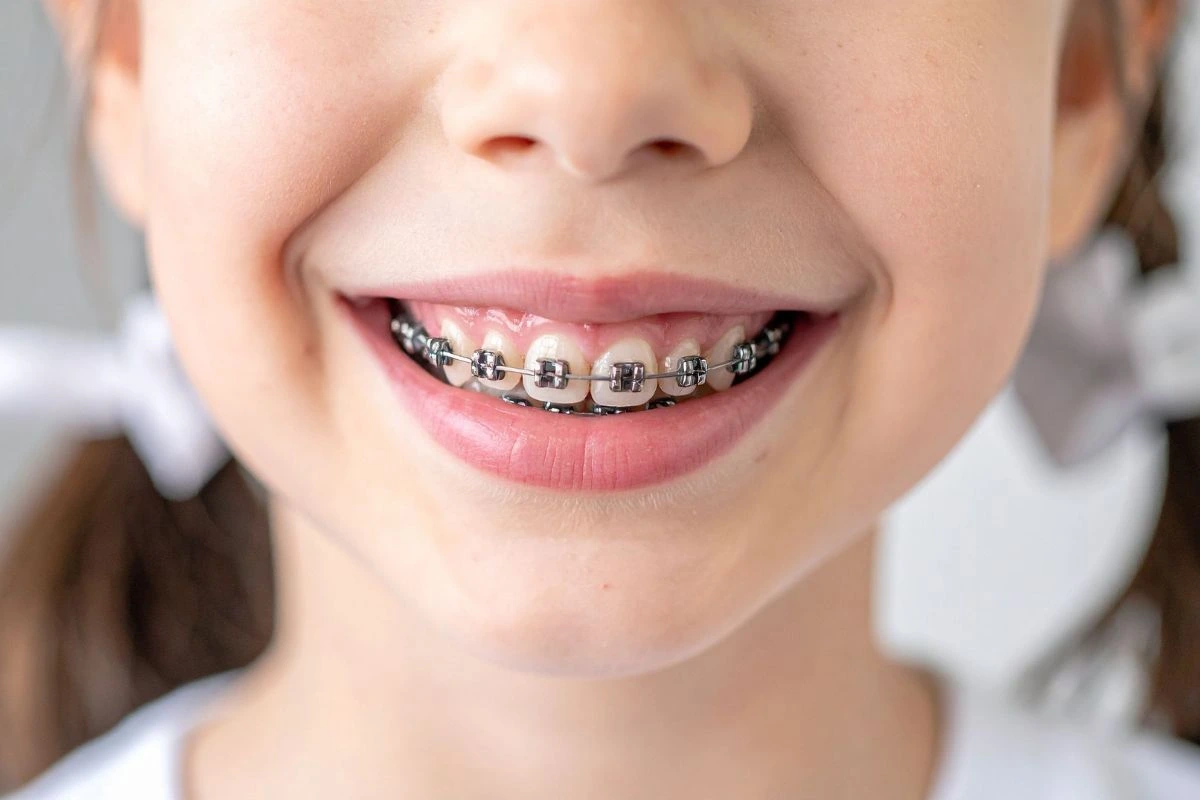
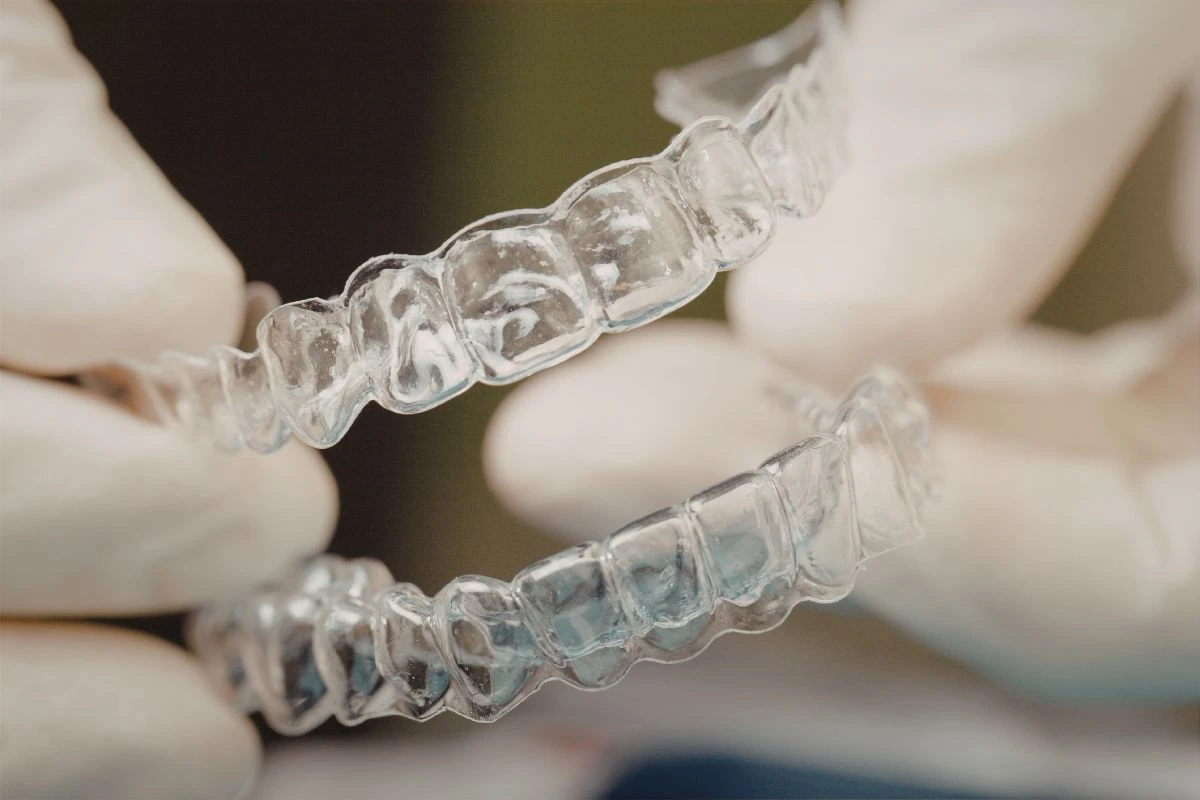
At Heinrichs Orthodontics, students can explore treatment options such as metal braces, clear braces, and Invisalign, depending on their needs, goals, and orthodontic recommendations.
Braces at School: What Changes First?
The biggest changes usually happen during the first few days after braces are placed or adjusted. Teeth may feel tender, cheeks and lips may need time to adapt, and eating may feel different.
Students may notice:
- Mild soreness after appointments.
- More time needed for lunch.
- Food is getting caught around brackets.
- A need to brush or rinse after meals.
- Slight speech changes at first.
- Occasional irritation from brackets or wires.
- More awareness during sports or physical activity.
The American Association of Orthodontists notes that treatment length and experience can vary for each patient because each orthodontic issue is different.
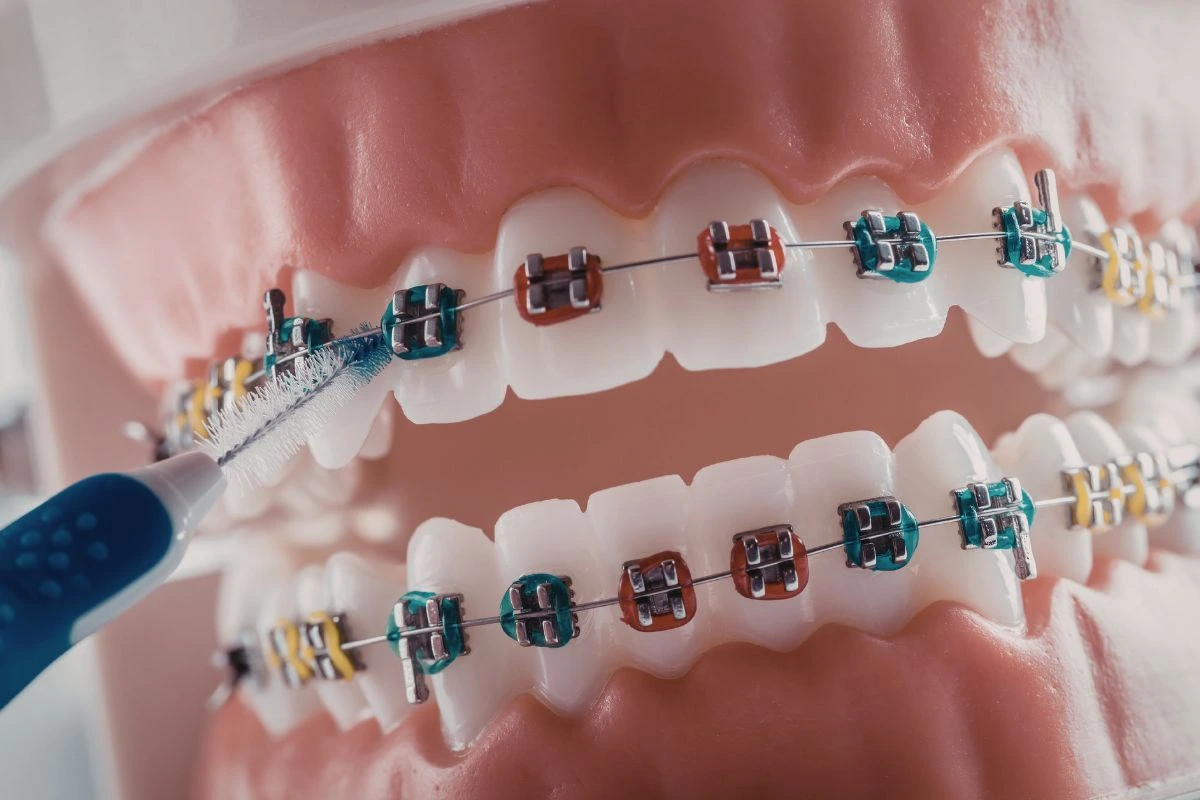
What to Pack in a School Braces Kit
A useful school braces kit may include:
- Travel toothbrush.
- Small toothpaste.
- Orthodontic wax.
- Floss threaders or orthodontic flossers.
- Small mirror.
- Lip balm.
- Water bottle.
- Interdental brush, if recommended.
- Retainer or aligner case, if needed.
- Soft snack for long days.
The kit can stay in a backpack, locker, or pencil case.
Lunches That Are Easier With Braces
School lunches should be soft enough to chew comfortably and safe enough to avoid damaging brackets or wires.
Good lunch ideas can include:
- Pasta
- Rice bowls
- Soft sandwiches cut into smaller pieces
- Scrambled eggs
- Yogurt
- Soup in a thermos
- Soft fruit
- Smoothies
- Mashed potatoes
- Soft wraps
- Cooked vegetables
- Tuna or chicken salad
- Mac and cheese
Note: Try to avoid biting directly into hard foods. Apples, carrots, crusty bread, and similar foods may need to be cut into smaller pieces.
Foods Students Should Be Careful With
Students with braces should be careful with:
- Hard candy
- Sticky candy
- Gum, unless the orthodontist says otherwise
- Popcorn kernels
- Ice chewing
- Hard granola bars
- Nuts
- Corn on the cob
- Very chewy bagels
- Caramel
- Crunchy chips
- Whole apples or raw carrots without cutting them
This does not mean students can never enjoy snacks. It means they need to choose foods that are easier on braces and less likely to cause an emergency appointment.
Brushing at School Without Feeling Awkward
Many students worry about brushing at school. They may not want friends watching or asking questions. A practical option is to rinse well with water after lunch and brush when possible.
A simple routine:
- Drink water after eating.
- Rinse around brackets.
- Check quickly in a mirror.
- Brush if you have time and privacy.
- Clean more carefully at home after school.
For more basics, Heinrichs’ Braces 101 page is a helpful internal resource.
Braces and Sports at School
Students can still play sports with braces, but protection matters. A properly fitted mouthguard can help protect teeth, lips, cheeks, and orthodontic appliances during sports. The American Association of Orthodontists notes that a well-fitted mouthguard can cover braces and retainers and help protect against dental trauma, while the ADA also recommends properly fitted mouthguards for sports with injury risk.
This is especially important for:
- Hockey
- Basketball
- Soccer
- Football
- Volleyball
- Martial arts
- Lacrosse
- Rugby
- Wrestling
- Any sport with contact or fall risk
Students should ask their orthodontist what type of mouthguard is best during treatment, because teeth are moving and the fit may need to accommodate braces. Whether you’re playing hockey at the Saskatoon Minor Hockey Association or soccer at the Saskatchewan Soccer Centre, a proper orthodontic mouthguard is your best defense against dental injuries.”
What to Do if a Bracket or Wire Feels Loose at School
If something feels loose or poking:
- Do not pull on the bracket or wire.
- Use orthodontic wax if something is rubbing.
- Tell a parent or guardian after school.
- Avoid hard or sticky food until it is checked.
- Call the orthodontic office for advice.
- If there is pain, swelling, or injury, ask for help right away.
Use the contact page if you need help deciding what to do next.
Braces, Band, Choir, and Presentations
Some students worry that braces will affect speaking, singing, or playing an instrument. There may be a short adjustment period, especially at the beginning, but most students adapt with practice.
Helpful tips:
- Practise reading out loud at home.
- Bring water to avoid dry mouth.
- Use wax if a bracket rubs while speaking.
- Give yourself time to adjust after appointments.
- Tell your music teacher if you need a little patience during the first week.
Parent Checklist for School Braces Success
Parents can help by preparing supplies and setting expectations.
Before school starts or after braces are placed, parents can:
- Pack a braces care kit.
- Plan softer lunches for the first week.
- Ask about mouthguards for sports.
- Keep orthodontic wax at home and in the backpack.
- Remind students to avoid hard and sticky foods.
- Schedule appointments with school timing in mind.
- Encourage brushing after school.
- Watch for broken brackets or poking wires.
If your child is nervous, reassurance helps. The first week is usually the hardest, and then braces become part of the normal routine.
FAQ: Braces at School
Can students eat school lunch with braces?
Yes. Students can eat lunch with braces, but softer foods are usually easier. Hard, sticky, or crunchy foods should be avoided or modified.
Should my child brush their teeth at school?
Brushing at school can help, but if it is not realistic, rinsing with water after lunch and brushing carefully after school is still useful.
Can students play sports with braces?
Yes, but they should wear a proper orthodontic mouthguard for sports with contact or injury risk.
What should my child do if a wire pokes at school?
Use orthodontic wax if available, avoid pulling on the wire, and contact the orthodontic office for guidance.
Are clear braces better for students who feel self-conscious?
Clear braces may be an option for some students who want a less noticeable look. The best choice depends on the student’s orthodontic needs.