
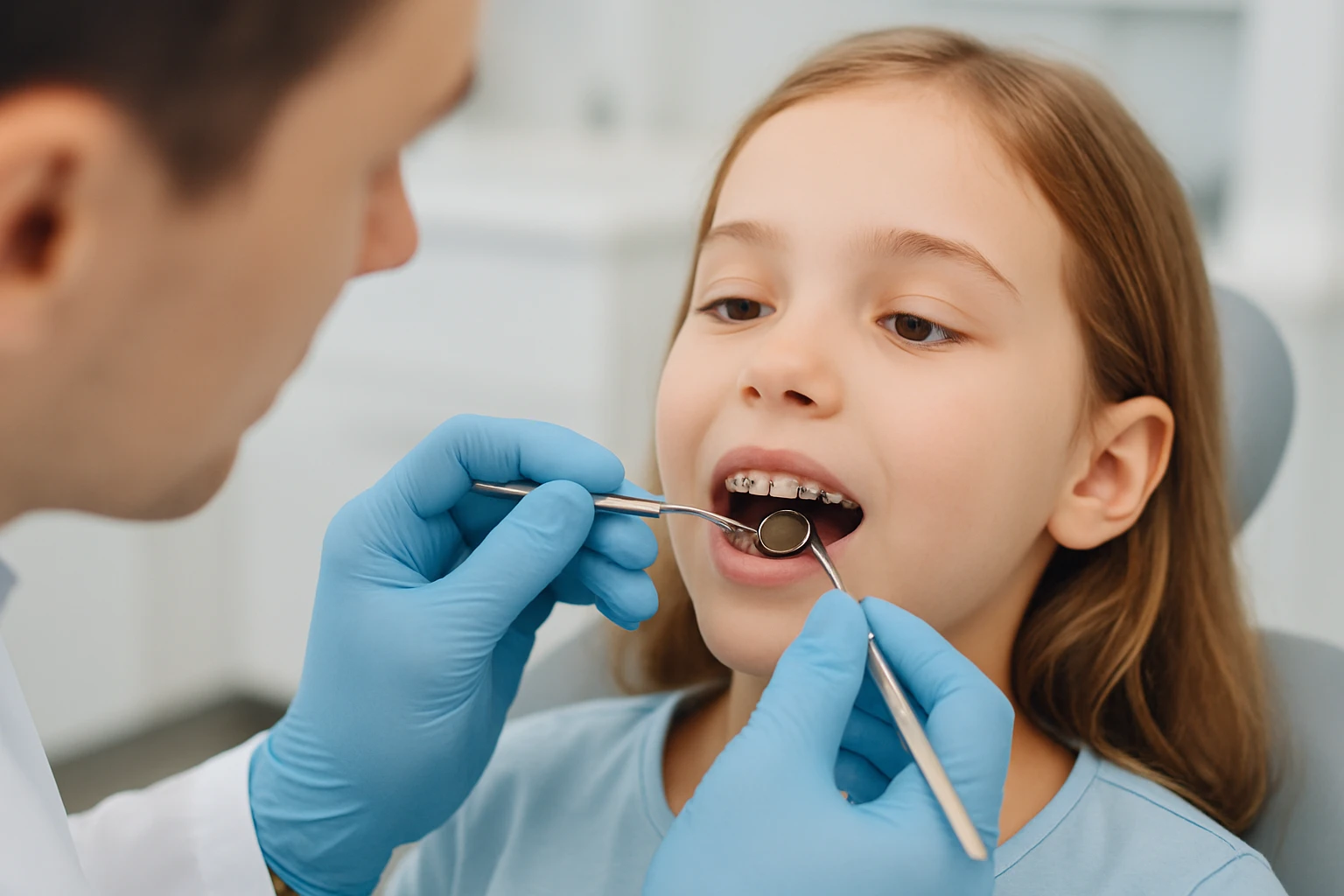
Many parents assume orthodontic treatment starts only when all the adult teeth are in, but that is not always the best time for a first evaluation. In many cases, the ideal first visit happens earlier than people expect. If you have been wondering what age a child should first see an orthodontist, the short answer is around age 7. That does not mean every child needs braces at 7. It means this is often a good age to check how the teeth, jaw, and bite are developing, so any concerns can be spotted early.
For families exploring orthodontics for all ages, an early assessment can provide peace of mind even if treatment is not needed right away.
Why Age 7 is Often Recommended
By around age 7, many children have a mix of baby teeth and adult teeth. That stage gives an orthodontist a better view of how the bite is developing and whether there may be crowding, spacing, or jaw alignment issues in the future.
At this age, it is often possible to identify:
- crossbites
- severe crowding
- bite problems
- jaw growth concerns
- teeth coming in in unusual positions
- habits that may affect development
Again, this does not mean early treatment is always necessary. Sometimes the most helpful result of an early visit is simply knowing things are developing normally.
Does Every Child Need Treatment After the First Visit?
No. Many children who have an early orthodontic evaluation do not need immediate treatment.
In some cases, the orthodontist may recommend:
- No treatment yet.
- Regular monitoring as teeth continue to come in.
- Early intervention for a specific issue.
- A future treatment plan during the teen years.
Parents often find this helpful because it gives them a roadmap instead of uncertainty.
What are the Signs a Child May Need an Orthodontic Evaluation Sooner?
Even before age 7, some children show signs that make an orthodontic check a good idea.
Common signs include:
- Early or late loss of baby teeth.
- Crowded or crooked teeth.
- Difficulty biting or chewing.
- Mouth breathing.
- Teeth that do not meet properly.
- Jaws that seem off-centre.
- Thumb sucking or oral habits that continue for a long time.
- Teeth that stick out noticeably.
These signs do not automatically mean a child needs braces right away, but they can be worth checking.

What Happens at the First Orthodontic Visit?
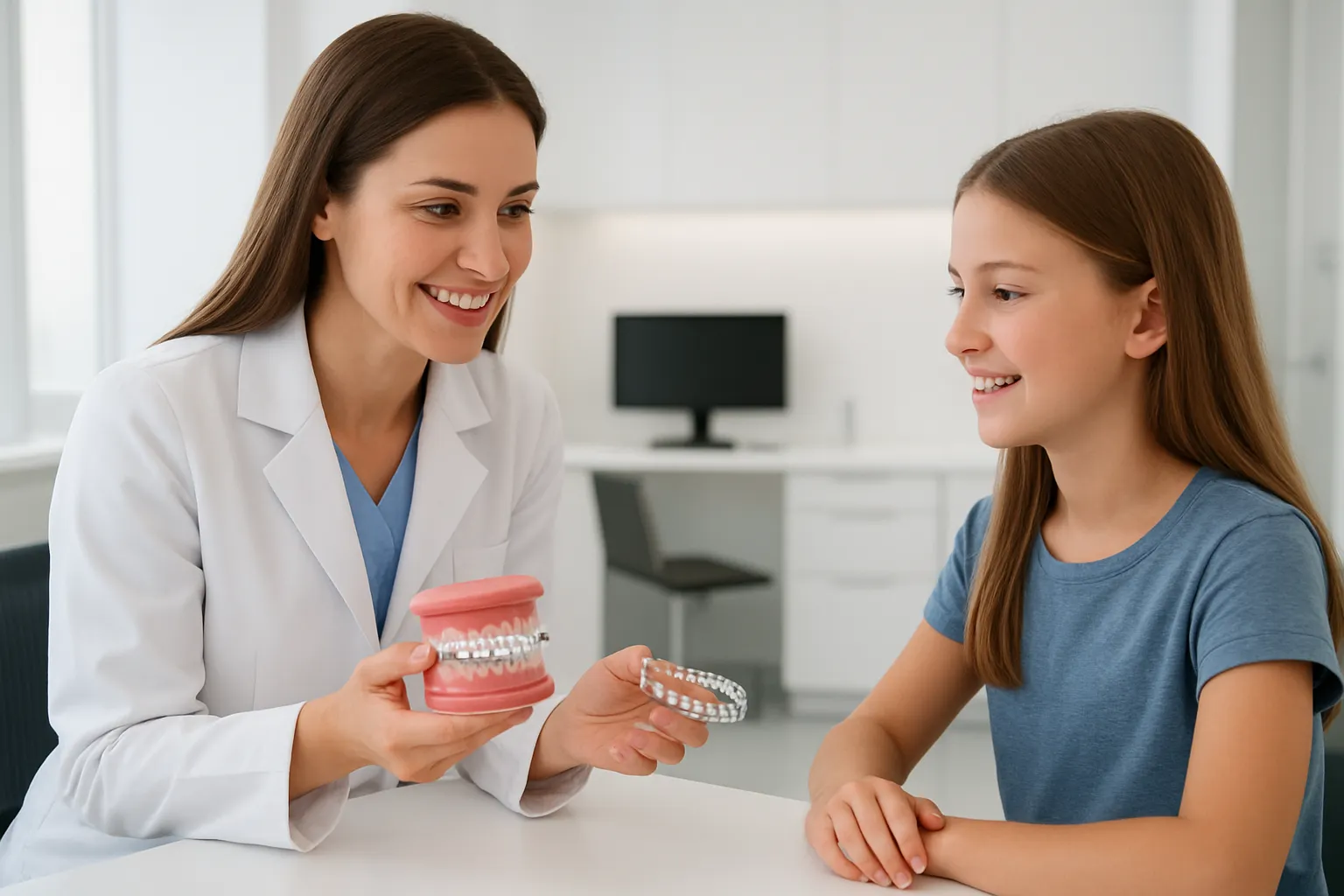
Parents often worry that the first appointment will feel like a big step, but it is usually straightforward and informative.
A first visit may include:
- A review of your child’s dental and growth history.
- An examination of the teeth and bite.
- Discussion of jaw development.
- Photos or imaging, if needed.
- A conversation about whether treatment is needed now, later, or not at all.
The main goal is to understand what is happening and what the next step should be.
If you are ready to schedule that first visit, a free consult is often the easiest way to get answers without overcomplicating the process.
Why Early Evaluation Does Not Always Mean Early Braces
This is one of the biggest misconceptions parents have.
An early orthodontic visit is not the same thing as early braces. In many cases, the orthodontist is simply monitoring development and waiting for the right time.
What matters most is timing treatment properly. Starting too late can limit options in some situations, but starting too early when it is not needed is not ideal either. A professional evaluation helps find the balance.
What Kinds of Treatment Might be Recommended Later?
If treatment is needed later, the right option depends on your child’s specific bite, tooth position, and growth pattern.
Some children may eventually be better suited for metal braces if precise tooth movement is needed. Others may be candidates for more discreet options like clear braces or aligner-based treatment such as Invisalign, depending on age, compliance, and treatment goals.
The key point is that the first visit is about evaluation, not guessing the final treatment before the teeth have fully developed.
Why Parents Should Not Wait for All Adult Teeth to Come in
Waiting until all permanent teeth are in can work for some children, but not every case benefits from that delay.
Certain bite problems are easier to manage when caught earlier. Even if full treatment happens later, identifying issues in time can make planning easier and help prevent more complicated problems from developing.
That is why an early assessment can be useful even when no immediate treatment is recommended.
How Parents Can Prepare for the Appointment
You do not need to do much before the first visit. It is helpful to come prepared with:
- Any questions about your child’s bite or tooth position?
- Information about habits like thumb sucking or mouth breathing.
- Dental history, if there have been concerns about eruption or spacing.
- A sense of whether your child is having any trouble chewing, speaking, or cleaning certain areas.
The more context you share, the more useful the evaluation becomes.
A Good First Visit Gives You Clarity
The biggest benefit of an early orthodontic evaluation is clarity. Parents often leave feeling more confident because they know whether to act now, keep watching, or come back at a specific time.
If you are still learning the basics, Braces 101 is a helpful place to understand common treatment questions before your child begins orthodontic care.
When to Book the First Orthodontic Visit
If your child is around age 7, or if you have noticed crowding, bite issues, or jaw development concerns, it is a good time to book an evaluation. Even when treatment is not needed yet, knowing what to expect can make future decisions much easier.
FAQ
What age should a child first see an orthodontist?
Around age 7 is often recommended for a first evaluation. That allows the orthodontist to check how the teeth and bite are developing.
Does a child need braces at age 7?
Not usually. Many children who have an orthodontic evaluation at 7 do not begin treatment right away.
Why is age 7 important for orthodontics?
At that age, children often have a mix of baby teeth and adult teeth, which makes it easier to spot bite and jaw development issues early.
What if my child’s teeth look straight?
Even if teeth look straight, there may still be bite or growth concerns that are not obvious without an orthodontic exam.
Is it okay to wait until the teen years?
Sometimes yes, but not in every case. Some issues are easier to manage when they are identified earlier, even if treatment starts later.