
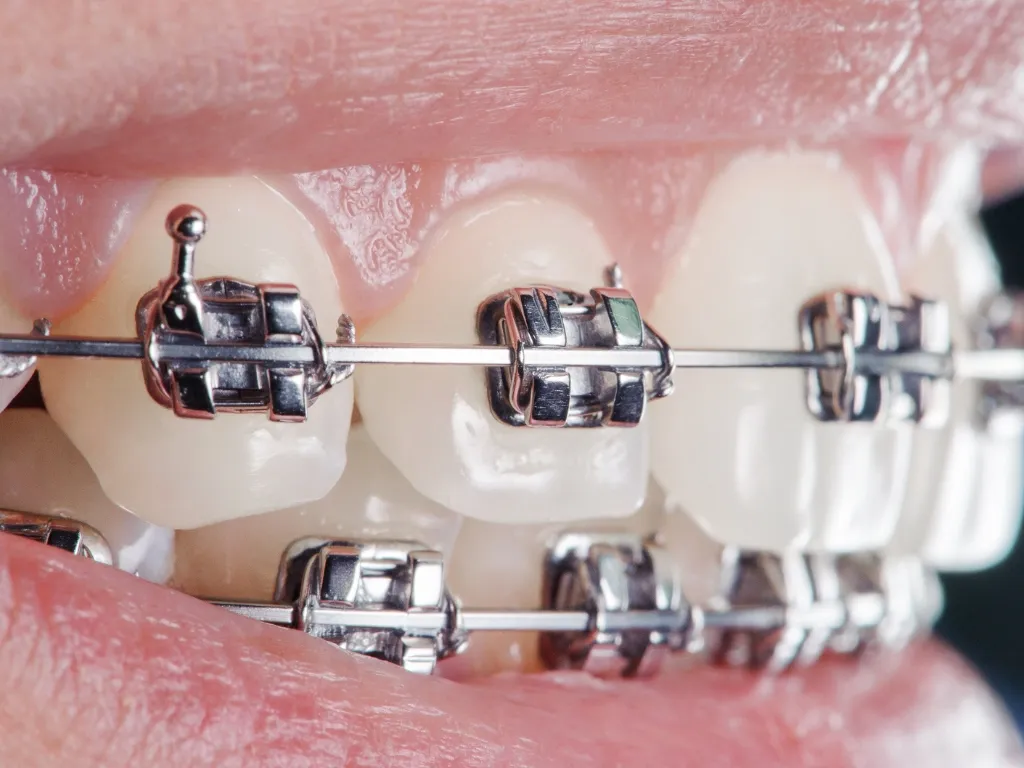
The new Canadian Dental Care Plan has brought up a lot of questions for families across Canada. One of the most common questions is, “Does CDCP cover orthodontics?” The plan does offer coverage, but only for pre-approved, severe cases that meet strict clinical rules. This guide will make those requirements clear and simple.
The Most Important Rule: Medical Necessity
The biggest rule of the CDCP is that it only covers medically necessary orthodontics. Here’s what that means:
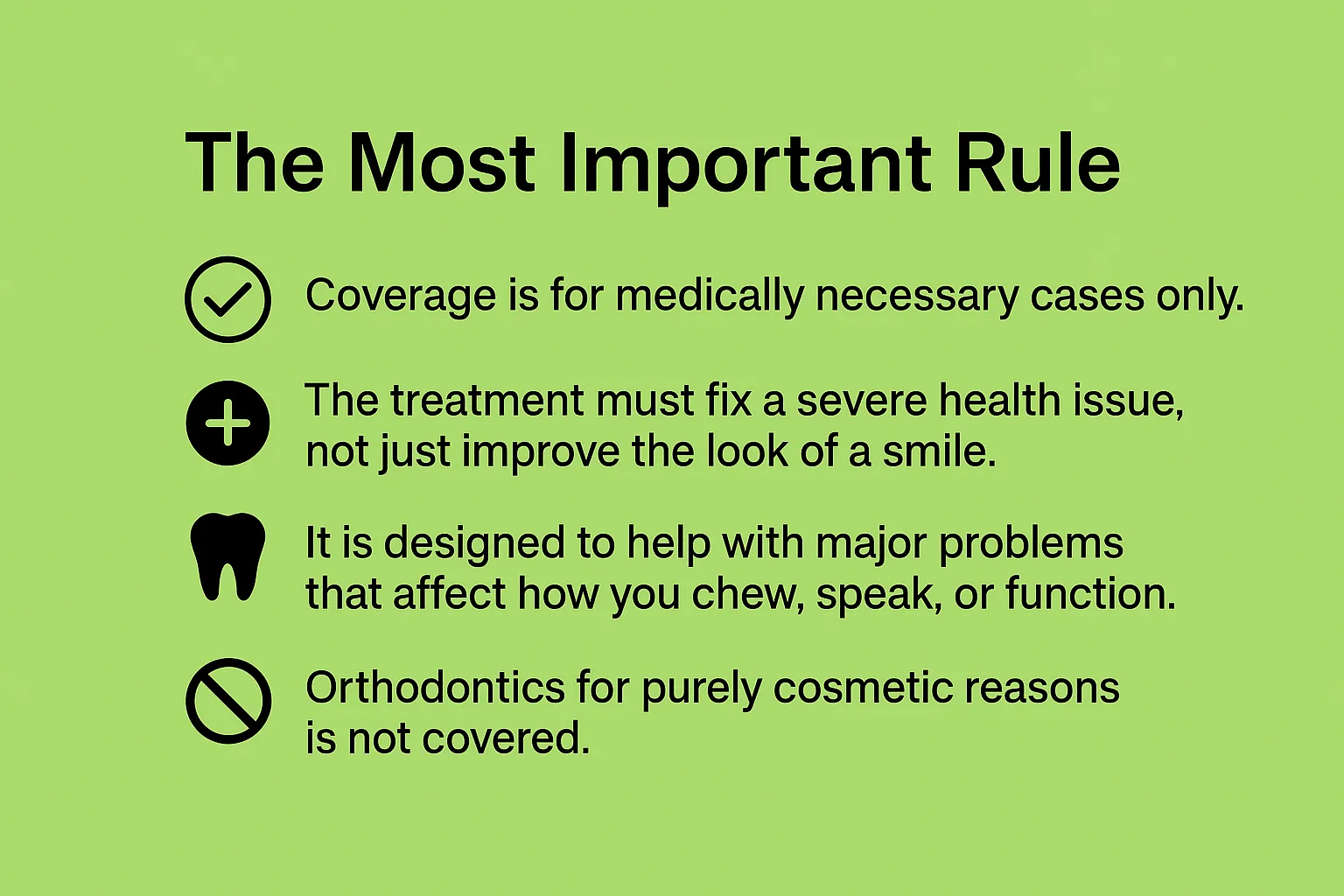
This is why choosing a qualified orthodontist is so important, as a specialist can determine if a case meets the strict clinical criteria.
Who Qualifies for Orthodontic Coverage Under the CDCP?
The plan has very specific rules for who can get coverage. The rules are different for kids and adults.
For Children and Teens (Under 18)
To qualify, a child or teen must have a “severe and functionally handicapping malocclusion.” This technical term describes a misalignment of the teeth so severe that it interferes with the proper function of the mouth.
Orthodontists use a special scoring system, like the HLD Index, to measure how severe the case is. Only cases that reach a certain high score will be considered for coverage.
For Adults
Coverage for adults is even more limited. It typically applies only to patients with severe functional problems resulting from a craniofacial anomaly, such as a cleft lip or palate.
Even if the plan doesn’t cover your case, it’s important to know that a healthy smile is for everyone. We are proud to provide orthodontics for all ages, from children to adults.

How the Coverage and Payment Process Works
If you think you or your child might qualify, there are a few steps and financial details to understand.
Preauthorization is Required for All Cases
No orthodontic treatment will be covered by the CDCP without getting approval before it begins. This is called preauthorization.
Your orthodontist has to submit all the details of your case to the plan’s administrator, Sun Life. This submission must include proof that the treatment is medically necessary.
Understanding CDCP Braces Coverage Limits and Co-payments
The plan has a maximum amount of money it will pay for orthodontic services each year. Even if your treatment is approved, you might still have to pay for a portion of it.
This is called a co-payment, and the amount you pay depends on your family’s household income. You can discuss these details and your specific situation during a visit to our Saskatoon office.
We encourage new patients to bring their coverage documents so we can help clarify any potential out-of-pocket expenses.
What Orthodontic Services Are NOT Covered?
It is very important to know what the CDCP will not pay for. Cosmetic treatments are not covered by the plan.
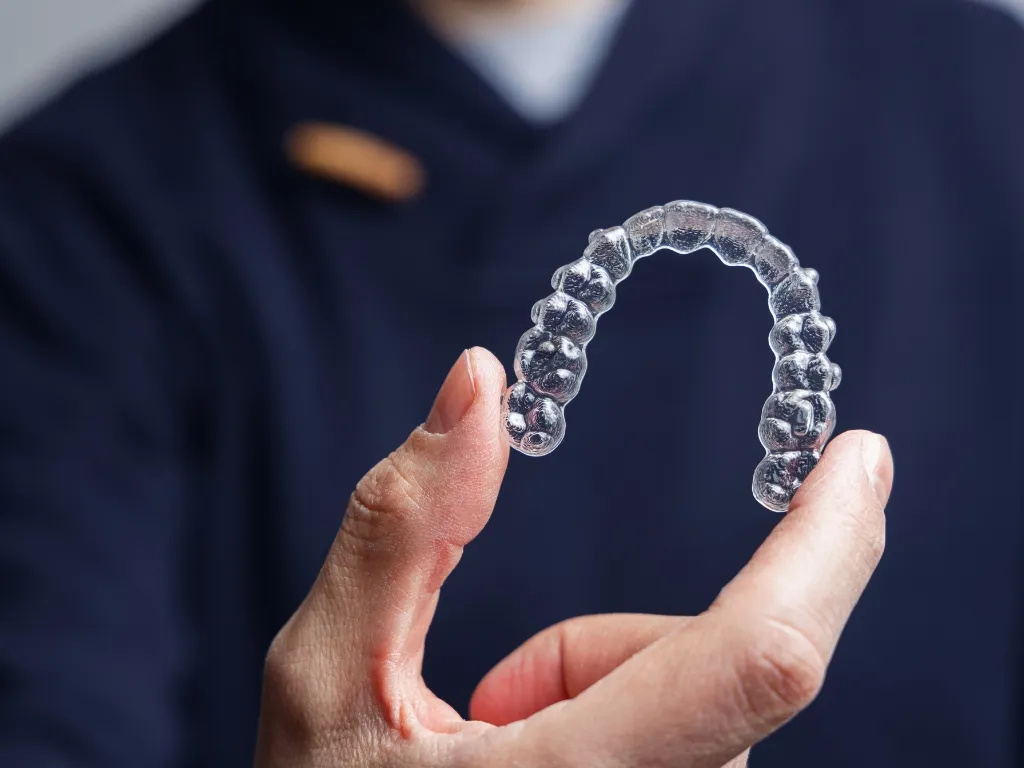
If you do not qualify for coverage, we can provide a transparent breakdown of the Invisalign cost in Saskatoon for your private treatment plan.
This includes:
- Braces or Invisalign for mild or moderate crowding.
- Treatment that is only for improving the look of a smile.
For answers to other common questions about treatment, you can always check our frequently asked questions page.
The First Step Is a Professional Assessment
The rules for the coverage are very specific. The most important takeaway is that the answer to “Does CDCP cover orthodontics?” ‘Yes, but only for preauthorized, medically necessary cases.’
To determine if your case might meet the strict clinical criteria, the first step is a professional evaluation. Schedule a consultation with our team today to get the clear information you need.
About the Author
Dr. Dean Heinrichs is a certified specialist in orthodontics in Saskatoon. He is committed to providing patients with clear, factual information about their treatment options. Dr. Heinrichs believes every patient deserves to understand their path to a healthy smile.