
Orthodontic treatment is not just for appearance, it can help you fix your jaw and teeth. However, the procedure can be expensive, and it would be great if you could get help, right? So, does insurance cover orthodontics?
In this guide, we will explain everything part by part. So, keep reading and learn more!
What Is Orthodontic Treatment?
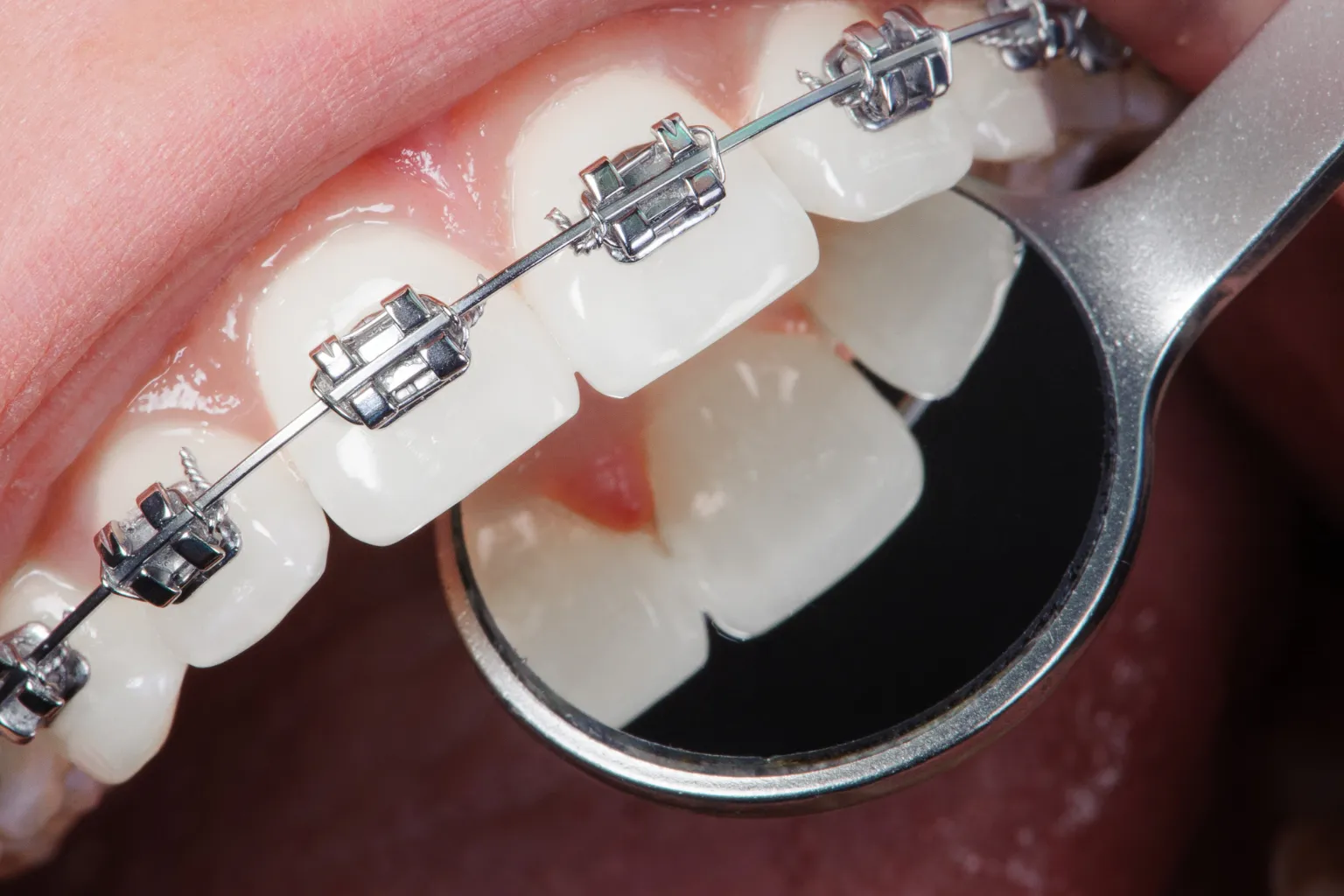
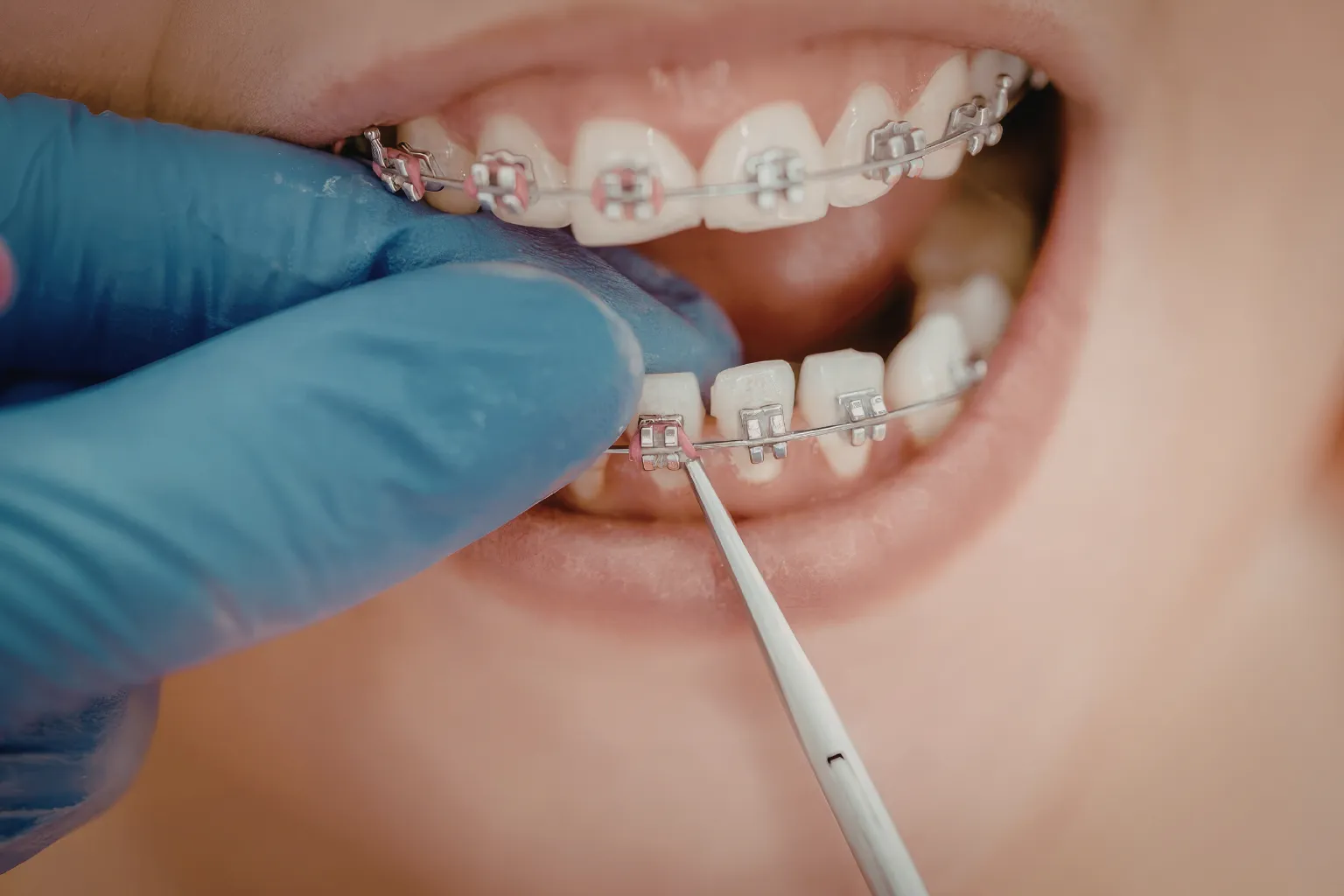
It is a dental method to shift your teeth or jaws. For this, your dentist will use braces, clear aligners, or retainers. Braces can be metal or ceramic wires and brackets. Clear aligners are made with plastic trays that you can change every few weeks. Retainers will keep teeth in place after braces or aligners are done.
These professional treatments can generally take one to three years. They will help fix issues like an overbite, underbite, crossbite, or crowded teeth.

Does Insurance Cover Orthodontics?
Yes, but it mainly will depend on the plan you currently have. Here, take a look at these plans for dental insurance that cover orthodontics:
- Public Service Dental Care Plan (PSDCP): It’s for federal employees and their families. You can use it for major services and minor treatments. It will cover orthodontics but under a lifetime limit, with pre-approval.
- Canadian Dental Care Plan (CDCP): This one is a federal plan for people with no other coverage and an income under $90,000. But based on the new rules starting in 2025, there will be limited orthodontic coverage.
- Private or employer dental plans: These will cover a percentage of orthodontics. It will cover usually around 50–60%, up to lifetime maximums (e.g., $1,500–$3,000).
- Discount plans and HSAs: These will not cover the treatment. But it will help you cut the cost of fees or use pre-tax dollars.
Who Typically Gets Covered?
Are you curious to know who can get orthodontic insurance coverage in Canada? Here’s your answer:
- Children and teens: Most of the plans will cover this treatment for teens under age 18. And PSDCP and employer plans will cover kids first.
- Adults: Finding coverage for the adults might be difficult. CDCP will cover only critical health needs. Private plans might allow adult orthodontics, but often have stricter terms.
- Special cases: PSDCP will also cover adults with cleft palate or severe jaw issues. But it will be under some specific rules.

Coverage Details You Must Know
If you don’t know the full details of your orthodontics insurance, then take a look at these:
- Coverage percentage: Private plans might pay 50–60% of the cost. But CDCP might pay partially, and it depends on income-level cost-sharing.
- Lifetime maximums: Many plans cap lifetime orthodontic benefits ($1,500–$3,000). PSDCP will offer $3,000, and it will rise to $3,250 by 2027.
- Waiting periods: You might have to wait for 6–12 months before you get the benefits.
- Preauthorization: You will have to get approval for CDCP and PSDCP before starting.
- Medical criteria: If you have CDCP, then you will have to get it under some strict rules. You will only get it if you have biting issues that are clinically proven.
You can also ask your orthodontist for help. Professionals like Heinrich’s Orthodontics will pre-authorize your plan and send the documents. We can also help you estimate the Invisalign cost in Saskatoon after your insurance coverage is applied.
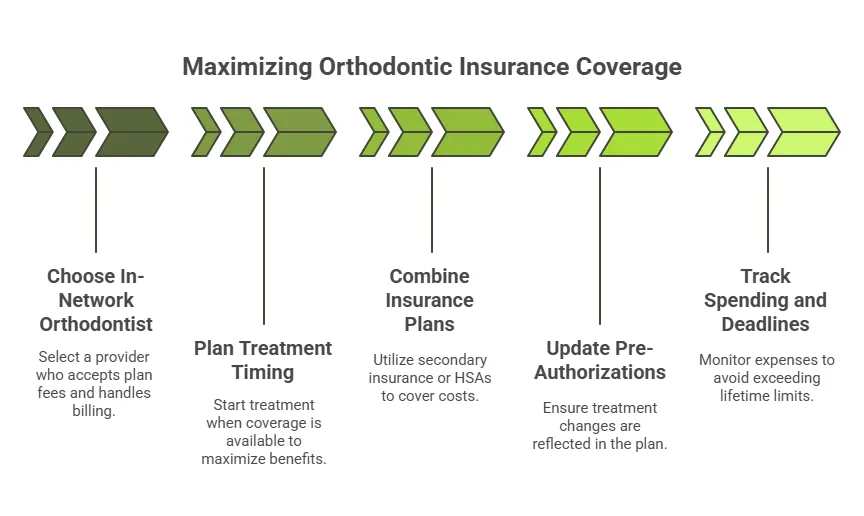
Tips to Get the Most Out of Your Coverage
If you want to get the most out of your plan, then follow these tips:
Conclusion
Does insurance cover orthodontics? At least to some extent! These treatments can cost you thousands of dollars, and insurance plans can help. Talk to your provider and the clinic you choose, and get all the details you need. Follow the rules and you will get the support you need.